Your message has been sent successfully. We will contact you soon!
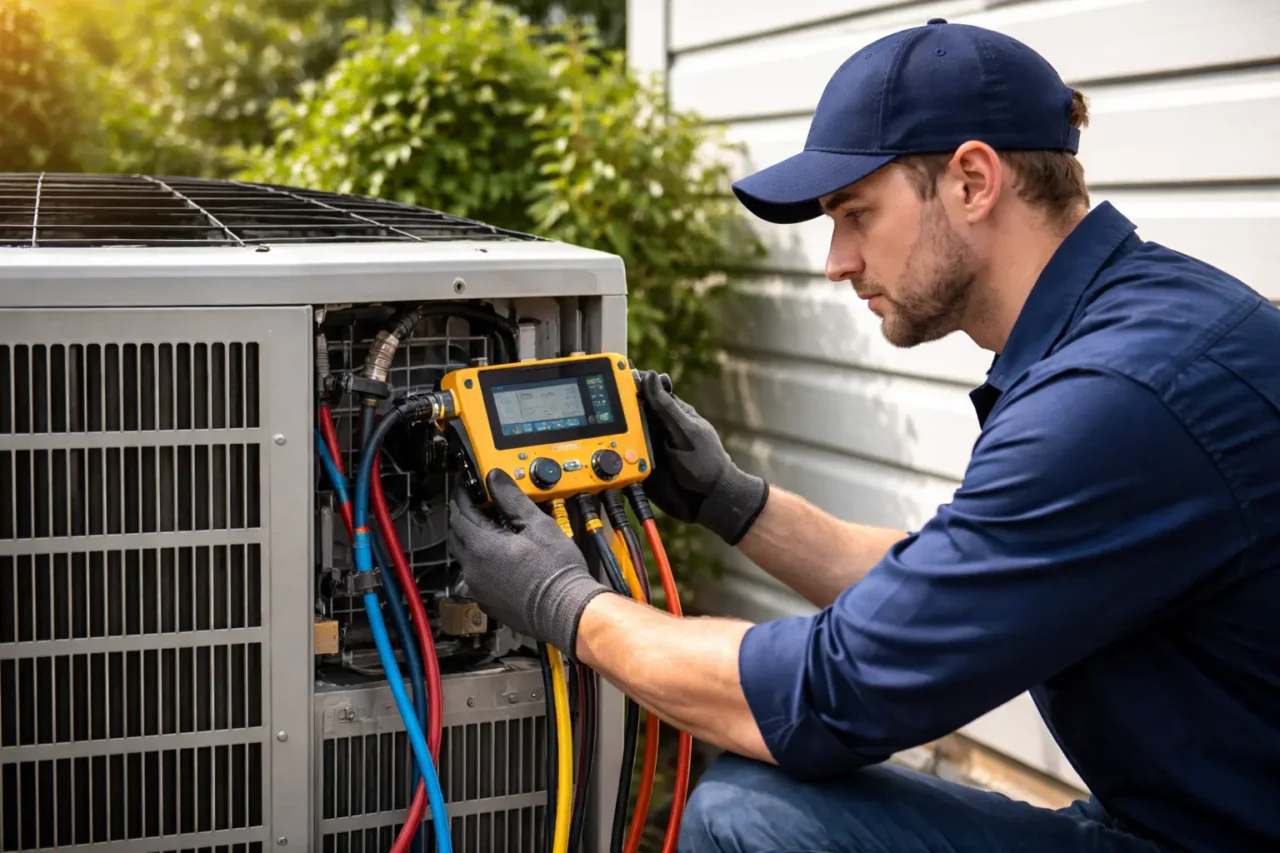
AC maintenance is the routine care and inspection of air conditioning systems to ensure efficient and reliable performance. This service includes cleaning, checking refrigerant levels, inspecting components, and tuning the system. Air conditioning maintenance is essential before the hot season or when your AC shows signs of reduced efficiency.
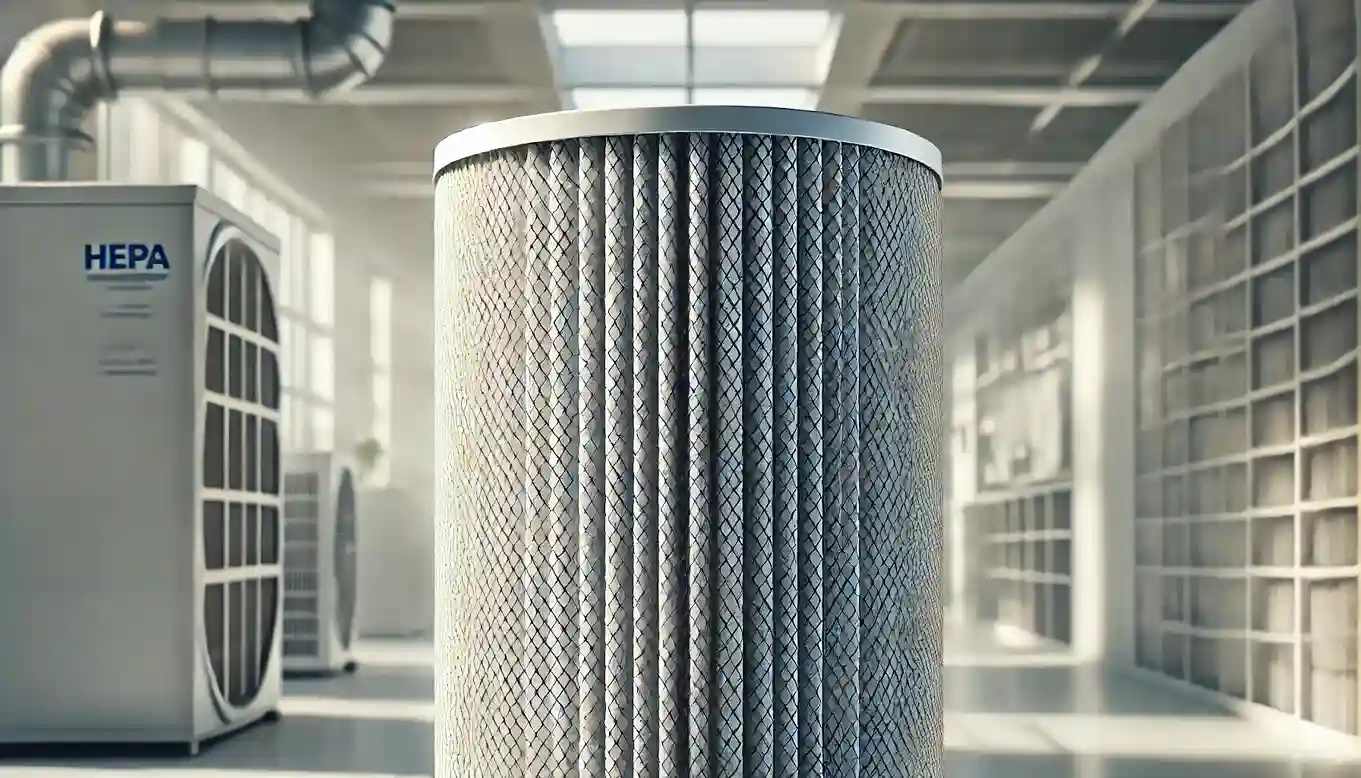
Regular AC maintenance keeps your system running efficiently, lowers energy bills, and extends its life. Our air conditioning maintenance experts inspect, clean, and fine-tune every part to prevent costly breakdowns. Whether you need home AC maintenance or commercial HVAC maintenance, we offer comprehensive AC maintenance service that fits your schedule. Our air conditioner maintenance service includes filter replacement, refrigerant checks, coil cleaning, and full system diagnostics. Routine AC maintenance helps catch small issues before they become big problems, ensuring your comfort year-round. Don’t wait for a breakdown - schedule your AC maintenance service today and keep your cooling system working at peak performance.
Your message has been sent successfully. We will contact you soon!
Proper ac maintenance is the key to staying comfortable year-round. Routine air conditioning maintenance ensures that your system operates efficiently, reduces the risk of unexpected breakdowns, and maximizes its lifespan. Whether you need seasonal checkups or year-round care, professional ac maintenance service helps maintain a cool, healthy indoor environment.
Neglecting home ac maintenance can lead to poor air quality, increased energy consumption, and costly repairs. Here’s why scheduling HVAC maintenance matters:
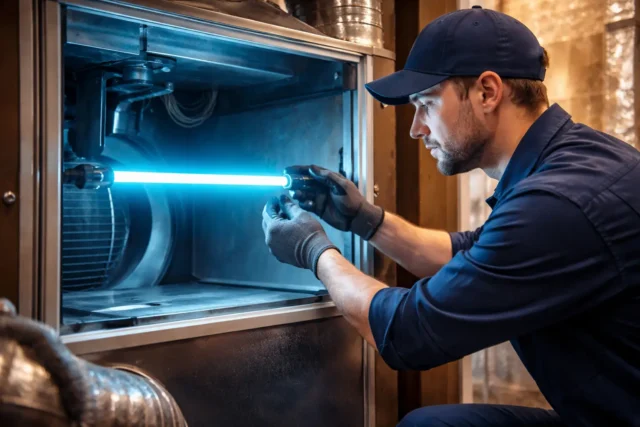
A complete air conditioning maintenance plan covers:
These steps keep your system running efficiently and reliably.
Experts recommend scheduling ac maintenance twice a year - once before the cooling season and once after. However, you should consider air conditioner maintenance service sooner if you notice:
We offer comprehensive HVAC maintenance with attention to detail. Our trained technicians provide thorough inspections, honest advice, and use top-quality equipment. Regular ac maintenance service with our team ensures your system stays energy-efficient and reliable. Trust us to keep your air conditioner running at its best.
Schedule air conditioning maintenance now and enjoy cool, clean air all season long. Contact us to arrange a convenient appointment and keep your system in top shape.

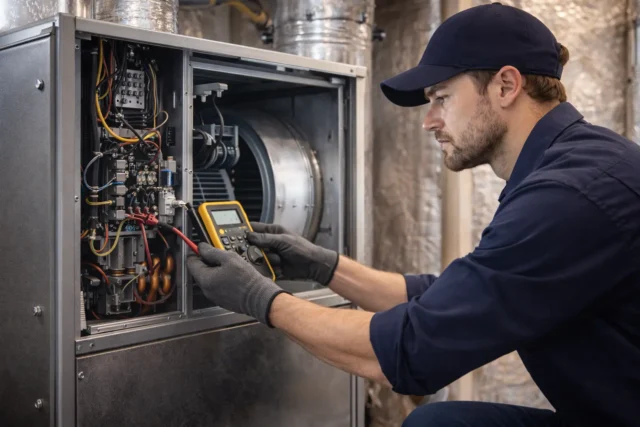
Air conditioning maintenance is only worth booking if it is measurement-led. A visit that consists of a filter change and a rinse of the condenser is a cleaning, not a service. The work that changes outcomes is the part nobody sees: capacitance read under load against the printed rating, amp draw at compressor and blower, refrigerant pressures compared to the manufacturer's target for that day's conditions, static pressure either side of the air handler, temperature split across the coil, and the condensate safety switch tested rather than looked at.
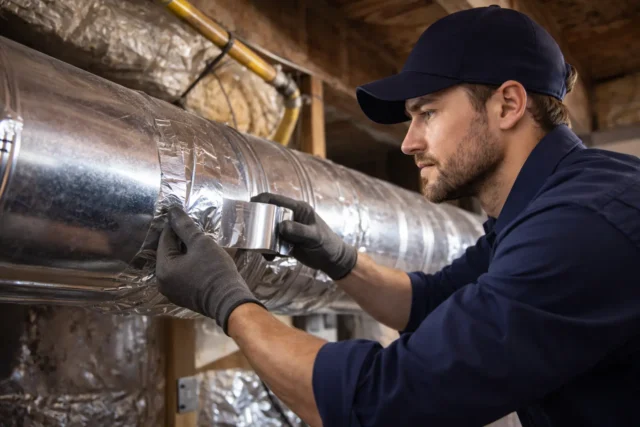
Those numbers matter because they trend. A capacitor at the edge of tolerance in March is a failed compressor start in July. A static pressure reading that has climbed since last year means the duct system or the coil is loading up, and that shows on the power bill long before it shows as a breakdown.
An HVAC maintenance plan is worth what its scope says, not what its name implies. The questions to ask of any plan, ours included: how many visits, what is measured on each, whether a diagnostic fee is waived, whether repairs are prioritised during peak season, and whether the recorded readings are given to the homeowner. A plan that cannot produce last year's numbers is not tracking anything.
Annual AC maintenance is the floor in a climate where equipment runs ten to twelve months. Twice a year suits coastal properties, homes with pets, and any system past its first decade, because those are the conditions where coils load and corrosion advances between visits.
Ductless mini split maintenance does not overlap much with central system work. The blower wheel sits inches from the coil and collects a biofilm that no filter catches, the drain runs on gravity through a small line that blocks easily, and the indoor unit has to be partially dismantled to clean properly. A mini split that is only wiped down and filter-rinsed will develop an odour and lose capacity on a schedule. It needs a deep clean of the wheel and the coil, and that is a different visit from a central system tune-up.
Commercial AC maintenance runs on scheduled access rather than convenience, and the equipment usually sits on a roof where weather reaches every component. Belt condition, bearing wear, economiser dampers that have seized in one position, and curb and flashing integrity are all part of the visit and none of them exist on a residential condenser. For multi-tenant and multi-site portfolios the deliverable is the record: what was measured on each unit, what changed since last time, and which units are trending towards replacement.
Within a few miles of the water, salt is the variable that decides equipment life. Condenser coils corrode from the outside in, fin stock thins, and a coil that looks intact can already be leaking at the hairpins. Coastal maintenance means rinsing coils on a schedule with the right agent rather than a hose, checking fastener and cabinet corrosion, and inspecting the pad and hurricane straps before the season rather than after a warning.
The calendar here has two visits that matter, and neither falls where the manufacturer's manual assumes. The one before summer decides the year: the outdoor coil washed properly rather than sprayed from a distance, the charge read against the target, amp draw taken on the compressor and the blower, the drain line cleared and treated, the capacitor tested before the first hot week finds it.
The autumn visit is shorter. It is mostly the heat strip, which sits unused for eleven months and fails without announcing it, and the drain again, because the wet season loads it.
Two things, and they are worth more than they sound. Change the filter on a schedule the house actually justifies, which in a home with pets or a dusty road is more often than the box says. And keep the space around the outdoor unit clear: a condenser that a hedge has closed in on runs hot every afternoon, loses capacity and shortens its own life without ever throwing a fault code.
A system here runs about eleven months of the year. Wear that a northern house spreads over a decade arrives in five, and most manufacturers make annual service a condition of the warranty. Twice a year suits nearly everything we look after; once is the minimum that keeps the paperwork intact.
Most of the maintenance we do sits in a handful of places: Oakland Park and Pompano Beach, where fifties and sixties houses are still breathing through their original ducts; Aventura, where a blocked condensate line in a tower becomes the neighbour's problem; and Miami Lakes, where the tree canopy fills a condenser every summer.
Two visits a year, the filters and the paperwork for the warranty can be handled on a plan instead of one call at a time. What is in it is on the maintenance plan page.
The homeowner half of each season is written out separately, one article at a time: spring maintenance, summer AC tips, autumn maintenance and winter HVAC tips.
The measurements. Capacitance under load against the printed rating, amp draw at compressor and blower, refrigerant pressures against the manufacturer's target for the day, static pressure either side of the air handler, and the condensate safety switch tested rather than inspected. Those numbers trend, and the trend is what prevents a breakdown.
Once is the floor. Equipment here runs ten to twelve months a year. Twice suits coastal properties, homes with pets, and any system past its first decade, because coils load and corrosion advances between visits.
No, it needs a different one. The blower wheel sits inches from the coil and grows a biofilm no filter catches, and the indoor unit has to be partially dismantled to clean it. A wipe-down and a filter rinse will not stop the odour or the capacity loss.
Twice suits nearly everything we look after, because a system here runs about eleven months of the year.
The outdoor coil washed rather than sprayed, charge read against the manufacturer's target, amp draw at the compressor and blower, the drain cleared and treated, and the capacitor tested before it drifts.
Not all of them. It catches the ones that build slowly, which is most of them, and it means we find a failing capacitor in March rather than on a Saturday in July.
 English
  Français
  Español
  Русский