Your message has been sent successfully. We will contact you soon!
A UV air filter is a powerful tool designed to improve indoor air quality by neutralizing airborne bacteria, viruses, and mold. Using ultraviolet light, UV air purifiers target and destroy harmful microorganisms circulating through your HVAC system. If you’re concerned about germs, allergens, or odors, a UV air purifier can offer an extra layer of protection.
Our services include installation and maintenance of UV air purifier HVAC systems that integrate directly into your home or business’s ductwork. These systems ensure that every breath of air you inhale passes through a UV air cleaner, reducing contaminants throughout your living spaces.
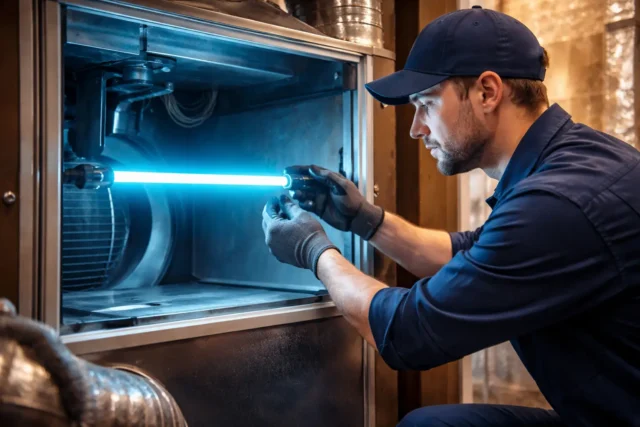
A UVC air purifier uses shortwave ultraviolet light to break down the DNA of microorganisms, making it highly effective for controlling pathogens and mold growth inside HVAC coils and ducts. Whether you need a standalone UV air purifier or a system-wide UV air purifier HVAC solution, we offer tailored options to fit your needs.
With professional installation and regular maintenance, your UV air filter system will provide reliable, long-term air purification. Let us help you create a cleaner, healthier indoor environment with the latest in UV air purifiers and UV air cleaner technology.
Your message has been sent successfully. We will contact you soon!
UV air purifiers are an effective way to improve indoor air quality by eliminating harmful pathogens. A UV air filter uses ultraviolet light to destroy bacteria, viruses, mold spores, and other microorganisms circulating through your HVAC system. Our UV air filtration services help homeowners and businesses maintain cleaner, safer indoor environments.
A UV air filter, or UV air purifier, uses UVC light to neutralize microorganisms in the air. Installed within HVAC systems or as standalone UV air purifiers, these devices target mold, viruses, and bacteria that regular filters can’t capture. This reduces allergens, odors, and health risks.
Consider UV air cleaner services if you notice:
Our UV air purifier HVAC specialists recommend the best UV air filtration setup for your space.
We provide full-service solutions for UV air filters, including:
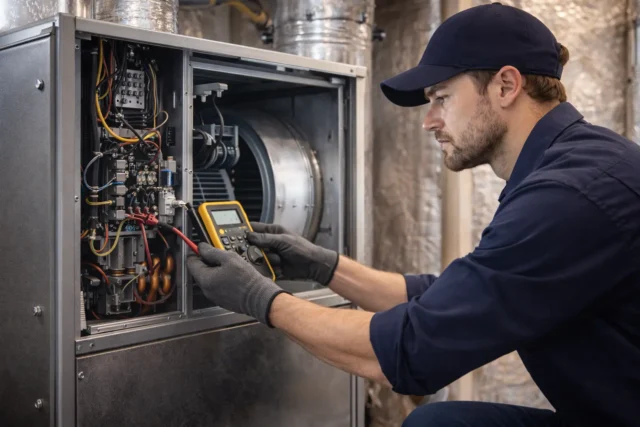
Our UV air cleaner experts ensure your system operates safely and effectively.
Our team specializes in UV air cleaner installation, maintenance, and replacement. We assess your home’s air quality and recommend the most effective UV air purifiers. Our HVAC air purifier UV services ensure you get long-term protection from harmful contaminants.
Improve your indoor air quality with professional UV air filter installation. Contact us for expert UV air purifier HVAC services and breathe cleaner, healthier air year-round.

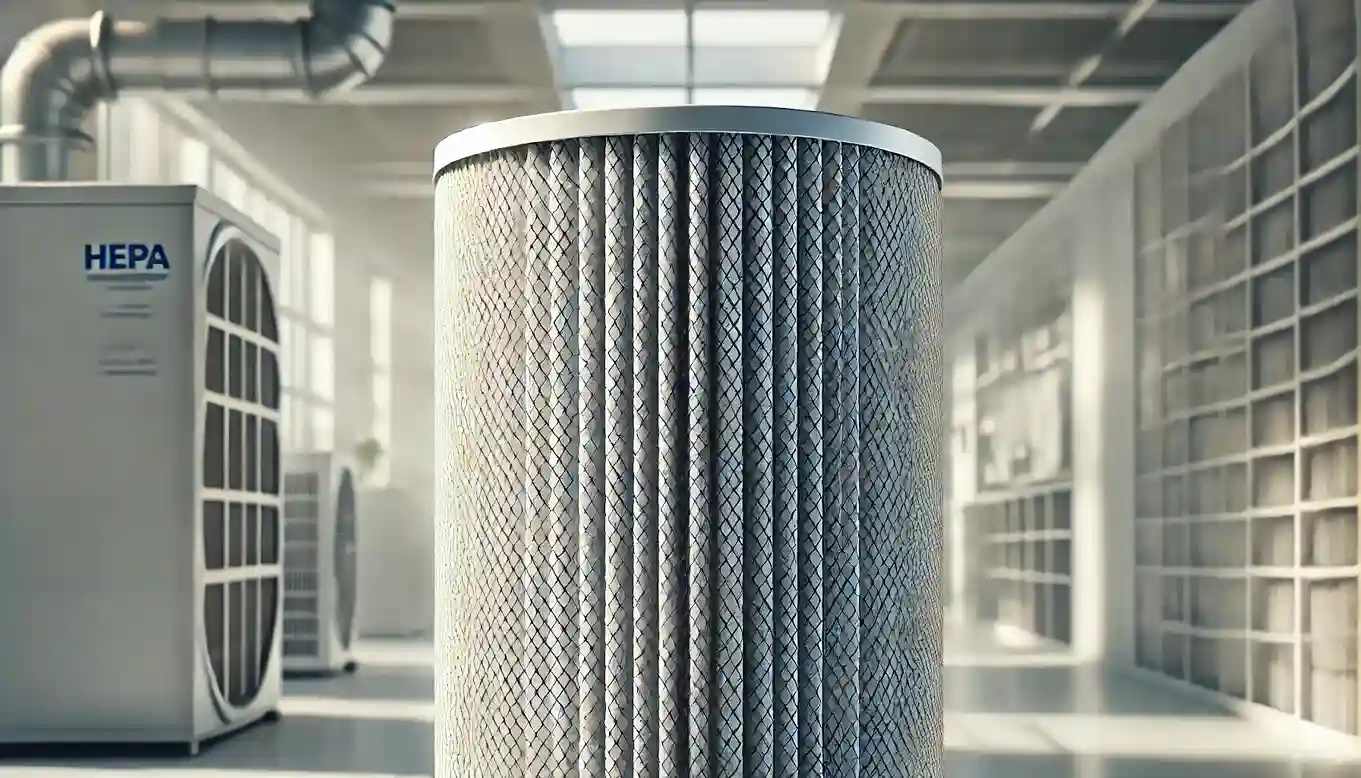
A UV air filter is a single assembly that pairs a germicidal lamp with a filter stage, rather than a lamp bolted into an air handler beside whatever filter is already there. The filter captures particulate, the lamp addresses what grows on the media and on the surfaces downstream of it. The two functions are complementary and neither substitutes for the other.
The reason to specify a combined unit instead of separate components is dose and geometry. In an integrated housing the lamp is positioned relative to the media at a fixed distance, and the airflow through it is known, so the exposure is designed rather than incidental. A lamp mounted wherever there was room and a filter chosen on price do not add up to the same thing.
A whole-house air purifier of this type sits in the duct system and treats everything the system circulates. It is the right answer when the concern is both particulate and biological growth, particularly in homes with high indoor humidity, a history of coil fouling, or occupants with respiratory sensitivity.
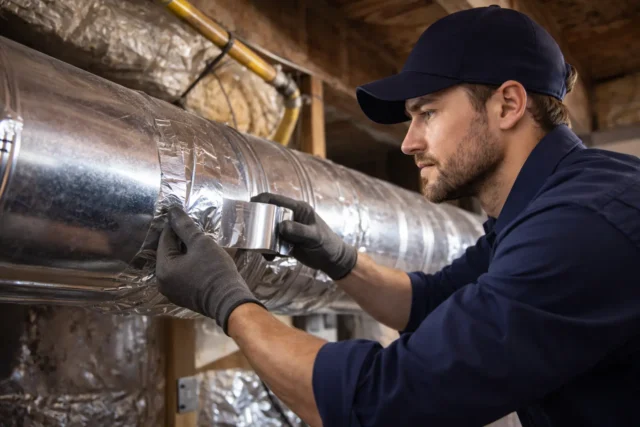
It is the wrong answer when the actual problem is a moisture source, a return pulling unfiltered attic air, or a coil that has never been cleaned. Equipment added upstream of an unresolved fault treats a symptom at running cost.
Every filtration stage adds resistance, and resistance is the constraint that decides whether a given unit belongs on a given system. A dense filter on a system already running high static pressure will reduce airflow, drop capacity and can freeze the coil. The pressure drop of the unit at the system's design airflow is checked against measured static pressure before anything is specified, not after it has been installed and the house has stopped cooling properly.
Two consumables, two schedules. The filter stage is changed on its own interval depending on media type and household conditions, and the lamp is replaced annually regardless of whether it still lights. Running the unit with a loaded filter starves the system; running it with an expired lamp means paying for a function that stopped working.
The pairing of a UV lamp with the filter rack is common in Coral Springs and Pompano Beach, where equipment sits screened and shaded, and in Sunrise, where garage air handlers stay warmer than the house all summer.
The lamp and the rack do different jobs: where a UV lamp is installed and why, and which filter to pair it with.
A lamp treats the coil and the pan. A combined unit pairs a lamp with a filter stage in one housing, at a fixed distance and a known airflow, so the exposure is designed rather than incidental.
Every filtration stage adds resistance. The unit's pressure drop at your system's design airflow is compared against measured static pressure before anything is specified. A dense stage on a system already running high static will cut capacity and can freeze the coil.
Two consumables on two schedules. The filter stage on its own interval by media type and household conditions, and the lamp annually whether or not it still lights.
It keeps the evaporator coil and the drain pan clear of the biological growth that thrives on a wet coil in this climate. That is a maintenance benefit, not an air purification claim.
Annually for most fittings. The lamp keeps glowing well past the point where its output has dropped too far to do anything, which is why the date matters more than the light.
No. The filter handles particles; the lamp handles what grows on a wet surface.
 English
  Français
  Español
  Русский