Your message has been sent successfully. We will contact you soon!
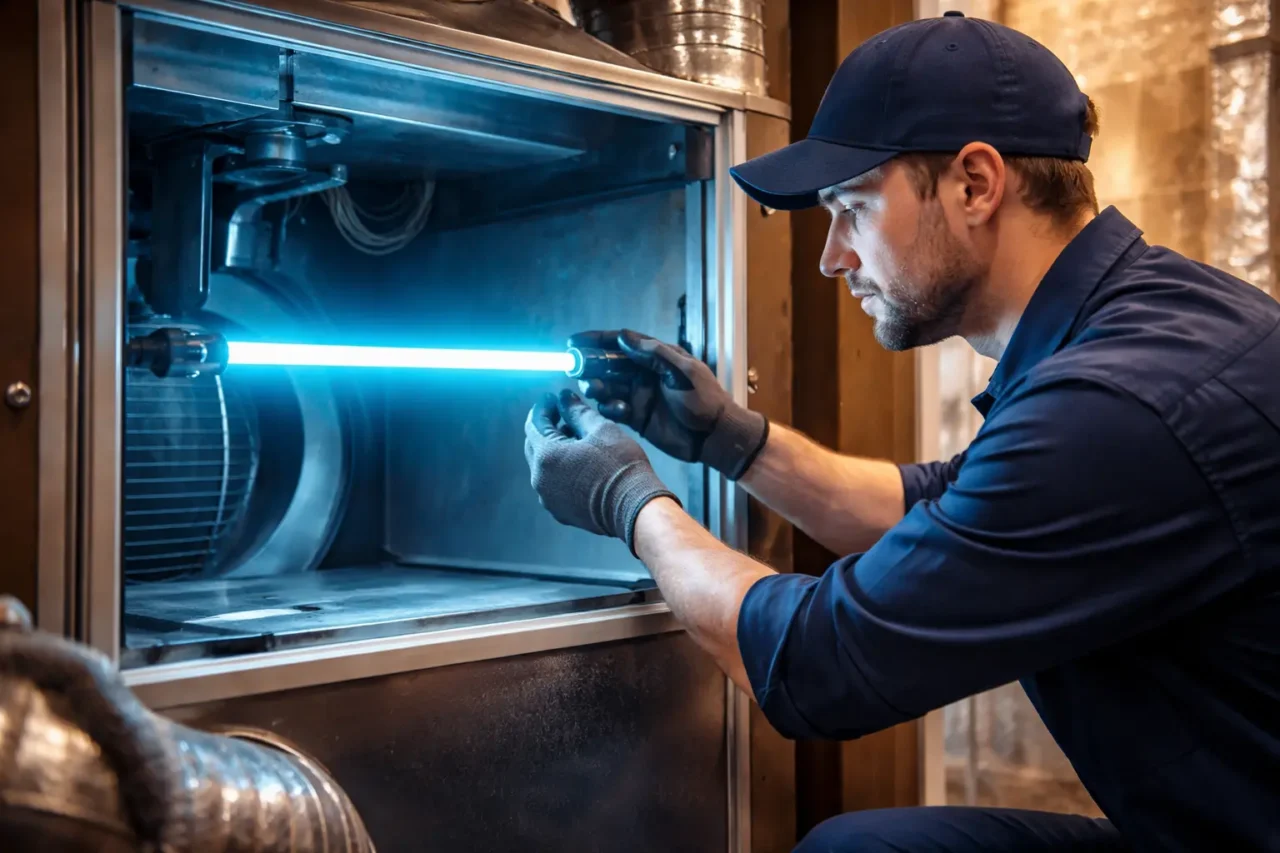
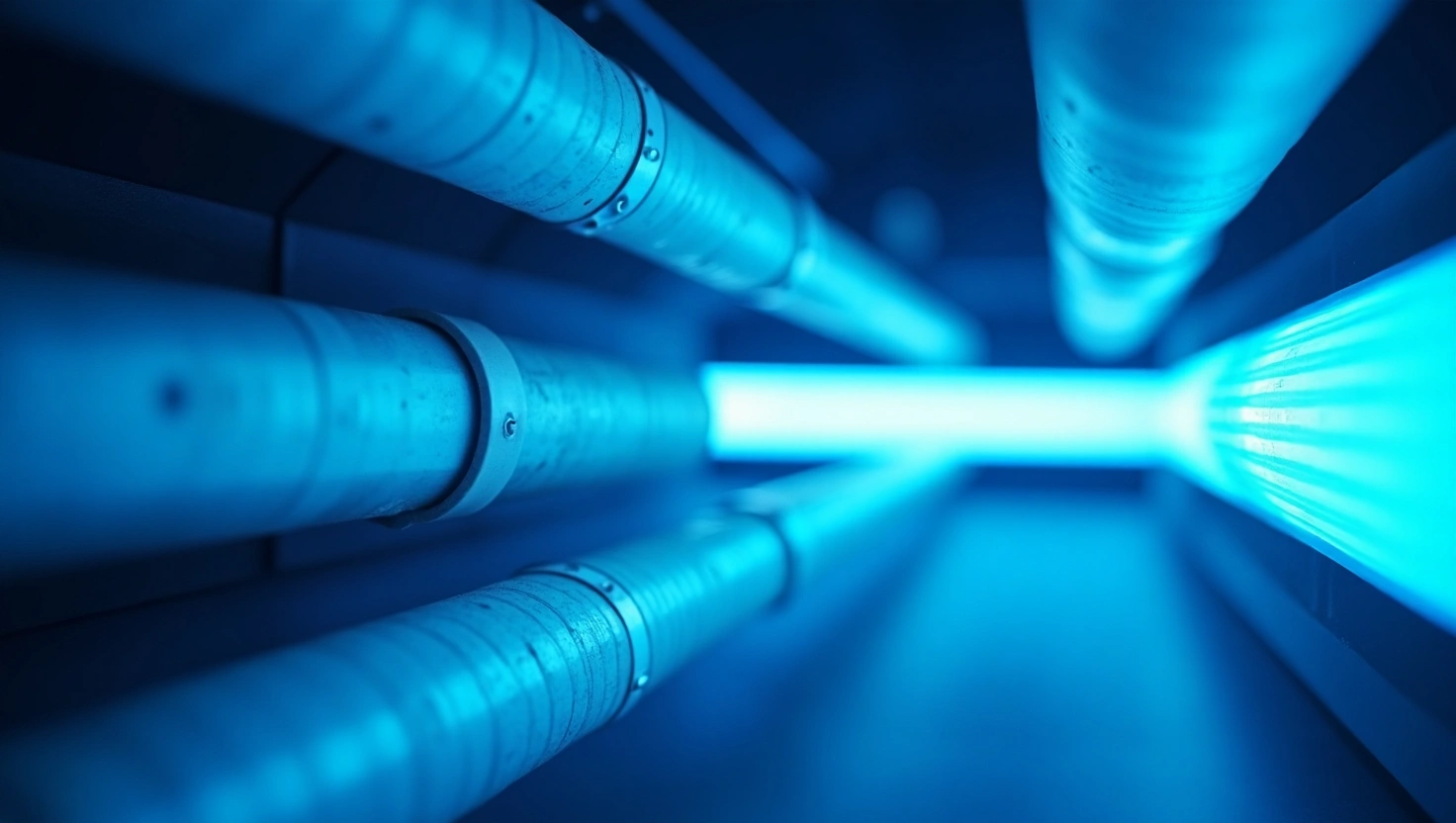
UV lights are an advanced solution to improve indoor air quality by eliminating airborne contaminants such as bacteria, viruses, and mold. Installing UV lights for HVAC units ensures that air circulating through your heating and cooling system is cleaner and healthier. A UV light on HVAC system works by using ultraviolet radiation to neutralize microorganisms inside the ductwork and on HVAC coils.
When you add a UV light on HVAC, it helps prevent mold growth on evaporator coils, enhances system efficiency, and reduces unpleasant odors. Our team provides expert installation and maintenance of UV light for HVAC system setups, giving you long-term protection and cleaner airflow throughout your space.
Whether you’re looking to upgrade an existing system or install new UV lights, our solutions are designed to fit both residential and commercial needs. With the right UV light for HVAC system, you’ll enjoy healthier air and improved performance from your HVAC equipment. Trust us to deliver effective air purification through high-quality UV lights for HVAC units that keep your environment safe and comfortable.
Your message has been sent successfully. We will contact you soon!
If you’re looking for a powerful way to boost indoor air quality and protect your HVAC system, UV lights are a smart investment. Installing UV lights for HVAC units helps eliminate harmful bacteria, mold, and viruses circulating through your home’s air. With a UV light on HVAC system, your air stays cleaner, fresher, and healthier year-round.
UV lights use ultraviolet radiation to destroy microorganisms that thrive in dark, damp places like your HVAC coils and ductwork. A UV lamp in HVAC targets the coil and air handler, killing mold spores and bacteria before they spread. This process not only cleans the air but also improves HVAC efficiency by preventing buildup that can reduce airflow.
Benefits of UV Lights in HVAC Systems
We offer different configurations to suit your system
Over time, HVAC systems accumulate dust, debris, and moisture - the perfect breeding ground for contaminants. Installing a UV light on HVAC keeps these threats under control. Beyond health benefits, a clean system also runs more efficiently, saving on energy costs.
Many homeowners ask about UV light for HVAC cost. While prices vary by system and installation, the long-term savings on energy, repairs, and health costs make it worthwhile.
We specialize in:
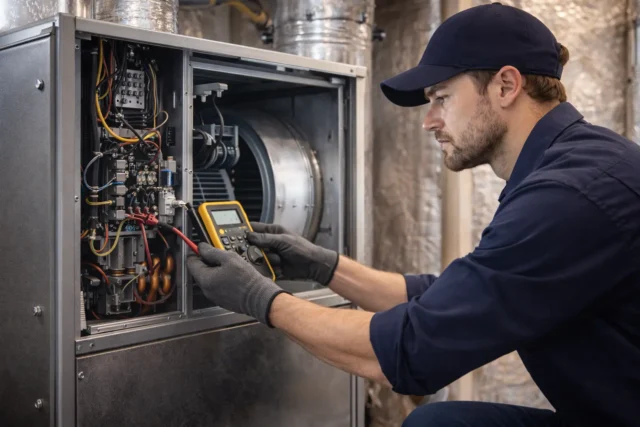
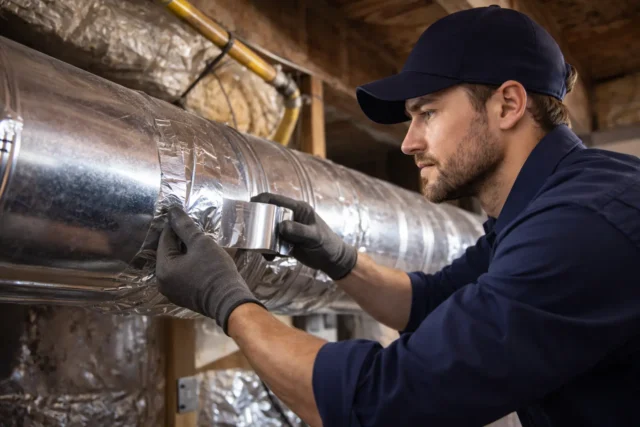
Our team ensures that your UV lights for HVAC units are properly installed and optimized for maximum performance.
You might benefit from UV technology if you:
Investing in UV lights is an effective, long-term solution for better air quality and HVAC system protection. From expert consultation to precise installation, we ensure your UV lamp HVAC system meets your home’s needs.
Contact us today to learn more about UV light for HVAC cost and schedule your installation. Experience cleaner UV light air and a healthier indoor environment with our trusted solutions.

A UV lamp installed inside the air handler has one job: to keep the evaporator coil and the drain pan from growing biological film. In a climate where the coil is wet for most of the year and the cabinet stays warm, that film forms reliably, and once it does it insulates the fins, restricts airflow and becomes the source of the smell people describe as musty air from the vents.
That is the claim worth making for coil sterilisation, and it is a narrow one. A lamp aimed at the coil treats the coil. It does not sterilise air moving past it at duct velocity, because contact time at that speed is a fraction of a second.
Coil treatment means a lamp mounted to shine continuously on the coil face and the pan. Air treatment means a higher-output lamp in the duct stream, sized so that the dose delivered at design airflow is enough to matter, and it is a different product at a different price with different maintenance. Selling the first while describing the benefits of the second is the most common misrepresentation in this category.
For most Florida homes the coil lamp is the one that pays back, because the problem it addresses is the one those homes actually have.
Placement decides whether the lamp works. It has to see the coil face and the pan, and it has to be positioned so the technician can reach it for replacement without dismantling the cabinet. Ultraviolet output also degrades nearby plastics and elastomers: flexible drain fittings, wire insulation and pan components in the line of sight will become brittle over time unless they are shielded or specified for it. A lamp installed without regard to what it is illuminating creates a different failure a few years out.
A UV lamp continues to glow long after its germicidal output has fallen below useful intensity. Visible light is not the indicator. Lamps are rated in service hours, typically annual replacement in a system that runs as long as they do here, and a lamp left in place for years is decorative. Replacement is part of a maintenance visit rather than a separate call-out.
A UV lamp earns its place on a coil that runs wet eight months a year. That is most of Coral Springs, Miami Lakes and Hollywood, and particularly the houses where the air handler sits in a warm garage rather than in conditioned space.
A lamp works on a coil that is already clean and a house that is not soaking wet: washing the coil and getting the humidity down come first.
A coil lamp treats the coil and the drain pan. Air moving past at duct velocity gets a fraction of a second of exposure, which is not a meaningful dose. Treating the air stream is a different installation with a higher-output lamp sized for the airflow.
Annually in a system that runs as long as they do here. A lamp keeps glowing long after its germicidal output has dropped below useful intensity, so visible light tells you nothing about whether it is still working.
Ultraviolet degrades plastics and elastomers in its line of sight. Flexible drain fittings, wire insulation and pan components have to be shielded or specified for exposure, which is a placement decision made at installation.
At the coil, often yes, because the coil runs wet eight months of the year. It earns its place particularly where the air handler sits in a warm closet or garage.
Inside the cabinet, yes. It is enclosed in the air stream and there is no exposure in the house, which is also why looking at it directly during service is not something we let happen.
Often, if the smell comes from the coil and the pan, which it usually does. If the smell comes from a return pulling attic air, the lamp changes nothing and we will say so.
 English
  Français
  Español
  Русский