Your message has been sent successfully. We will contact you soon!
Your message has been sent successfully. We will contact you soon!

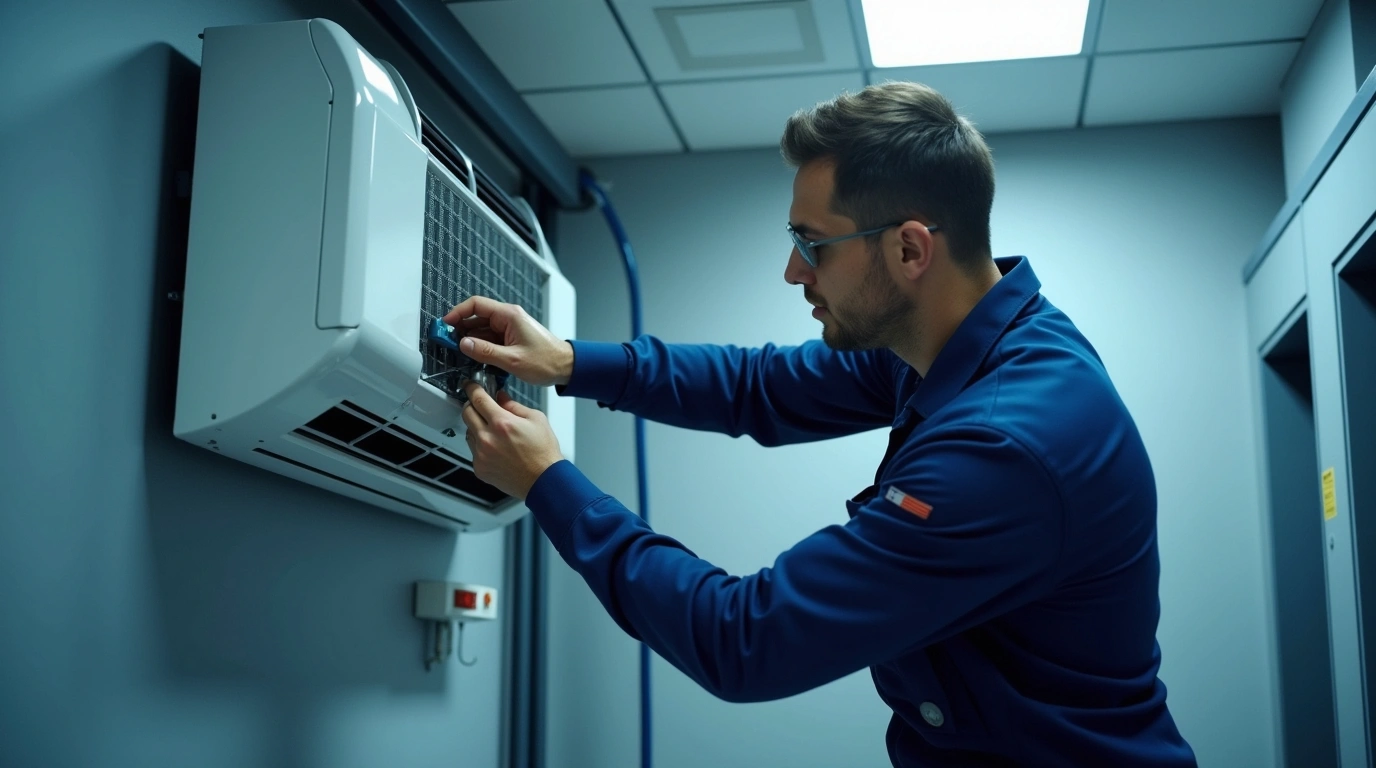
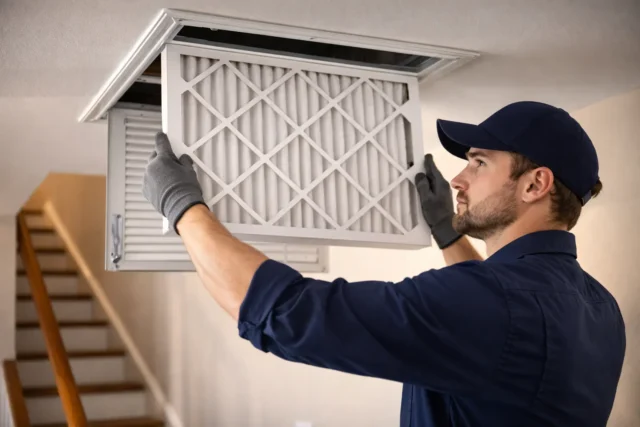
The condenser gets the attention and the air handler does most of the work that determines whether a house is comfortable. It holds the evaporator coil, the blower, the filter rack and the condensate assembly, and it is the component that decides how much air actually reaches each room. A system with a correctly sized condenser and a struggling air handler will underperform in exactly the way homeowners describe as uneven cooling.
In this region the air handler also sits where the conditions are worst: a closet, a garage or an attic, warm and humid, with a coil that stays wet for most of the year. That is why the failures cluster here rather than outside.
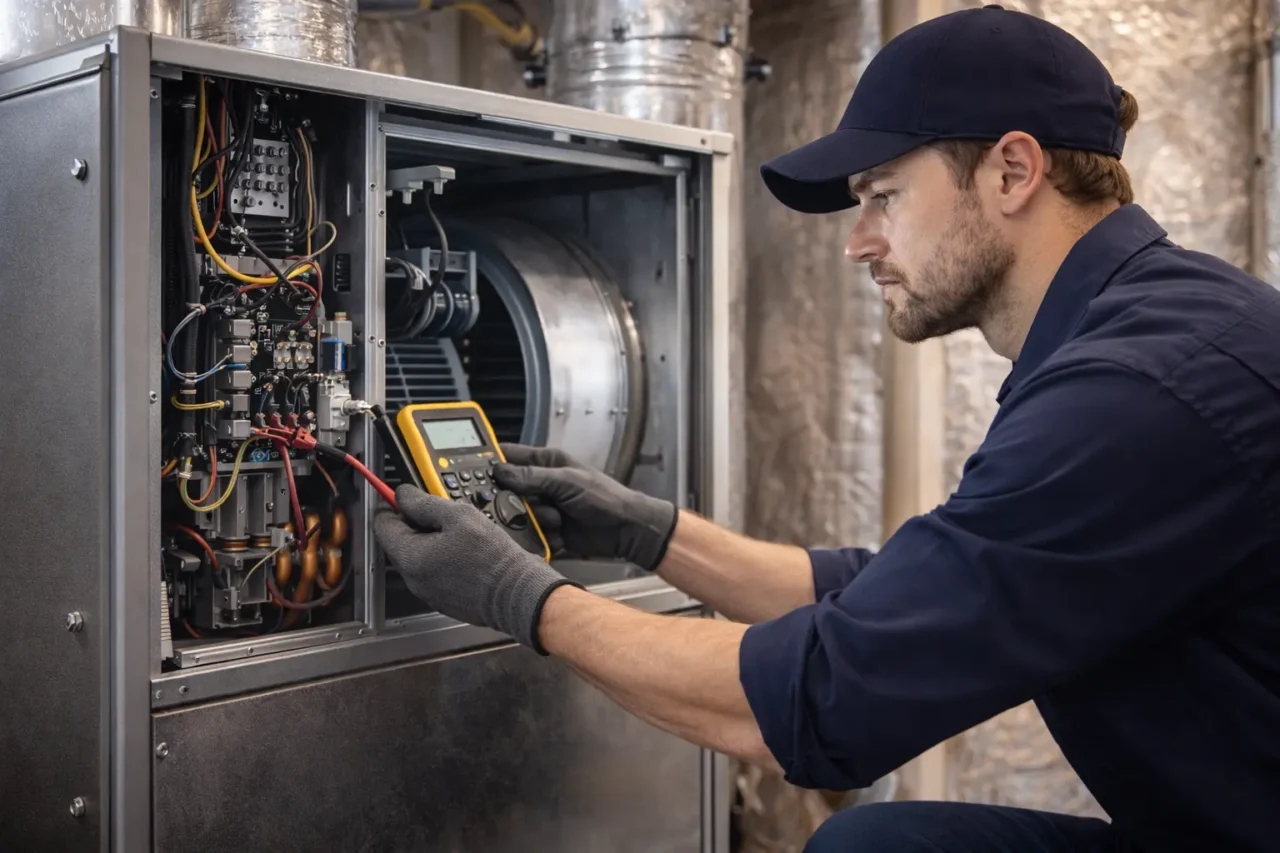
An older permanent split capacitor blower runs at a fixed speed and delivers whatever airflow the duct system allows. A variable-speed ECM blower adjusts to hold a target airflow, which means it compensates for a loading filter or a restrictive duct run by working harder, and the house feels normal until the motor is at its limit. That is an advantage for comfort and a disadvantage for diagnosis: a variable-speed system hides duct problems until it fails, so static pressure is measured rather than inferred from how the air feels.
ECM modules are also the component most often lost to a voltage event, and they are not a stocked part on most vans.
The evaporator coil and the pan beneath it are where most air handler service calls originate. A blocked condensate line backs water into the pan, the float switch shuts the system down if it is working, and the ceiling below finds out if it is not. Formicary corrosion in the coil causes gradual refrigerant loss that reads as declining capacity rather than as a fault. A secondary pan with its own switch is the difference between a service call and a drywall repair in an attic installation.
Changing the air handler without the condenser is sometimes reasonable and frequently is not. A mismatched pair loses its rated efficiency, may void warranty coverage, and on systems using a phased-out refrigerant the match simply does not exist any more. Where the outdoor unit is sound and recent, a handler replacement can be the right call, and that is established by checking the match and the refrigerant before the work is quoted rather than after.
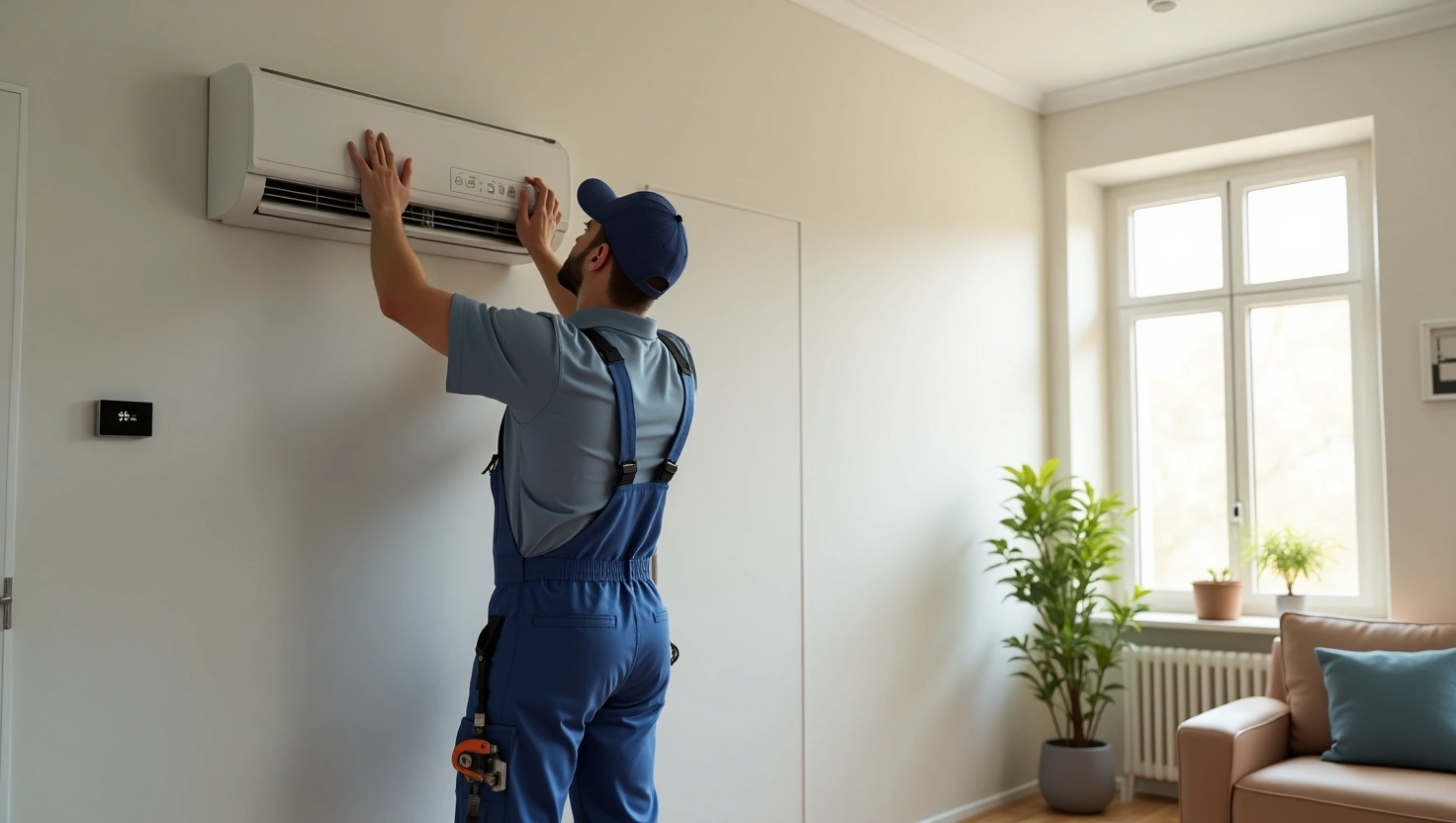
Air handler work is closet work in Lauderhill, where a 1978 cabinet has to hold a unit built forty years later; tower work in Aventura and Hallandale Beach, where the cabinet is in a utility closet with a door that barely clears it.
What sits in that cabinet is worth understanding before it is replaced: an air handler is not a furnace, the blower inside it does the work, and on a heat pump the same box also heats - which changes what can go wrong.
Sometimes. A mismatched pair loses rated efficiency and can void warranty coverage, and on a system using a phased-out refrigerant the match may not exist. Whether it is reasonable is established by checking the match and the refrigerant before the work is quoted.
An ECM blower adjusts to hold target airflow, so it compensates for a loading filter or a restrictive run by working harder. The house feels normal until the motor reaches its limit, which is why static pressure is measured rather than judged by how the air feels.
It catches what the primary pan cannot when a condensate line blocks, and its own float switch shuts the system down. In an attic installation it is the difference between a service call and a ceiling repair.
Sometimes, and often it should not be. Pairing a new indoor unit with an older outdoor one usually costs efficiency and can void the warranty, so we check the match before quoting.
A blocked condensate line, nine times out of ten, with a float switch that tripped or was bypassed.
We measure the closet, the return path and the electrical before choosing a model. A unit that only just fits is a unit nobody can service properly for the next fifteen years.