Your message has been sent successfully. We will contact you soon!
Your message has been sent successfully. We will contact you soon!

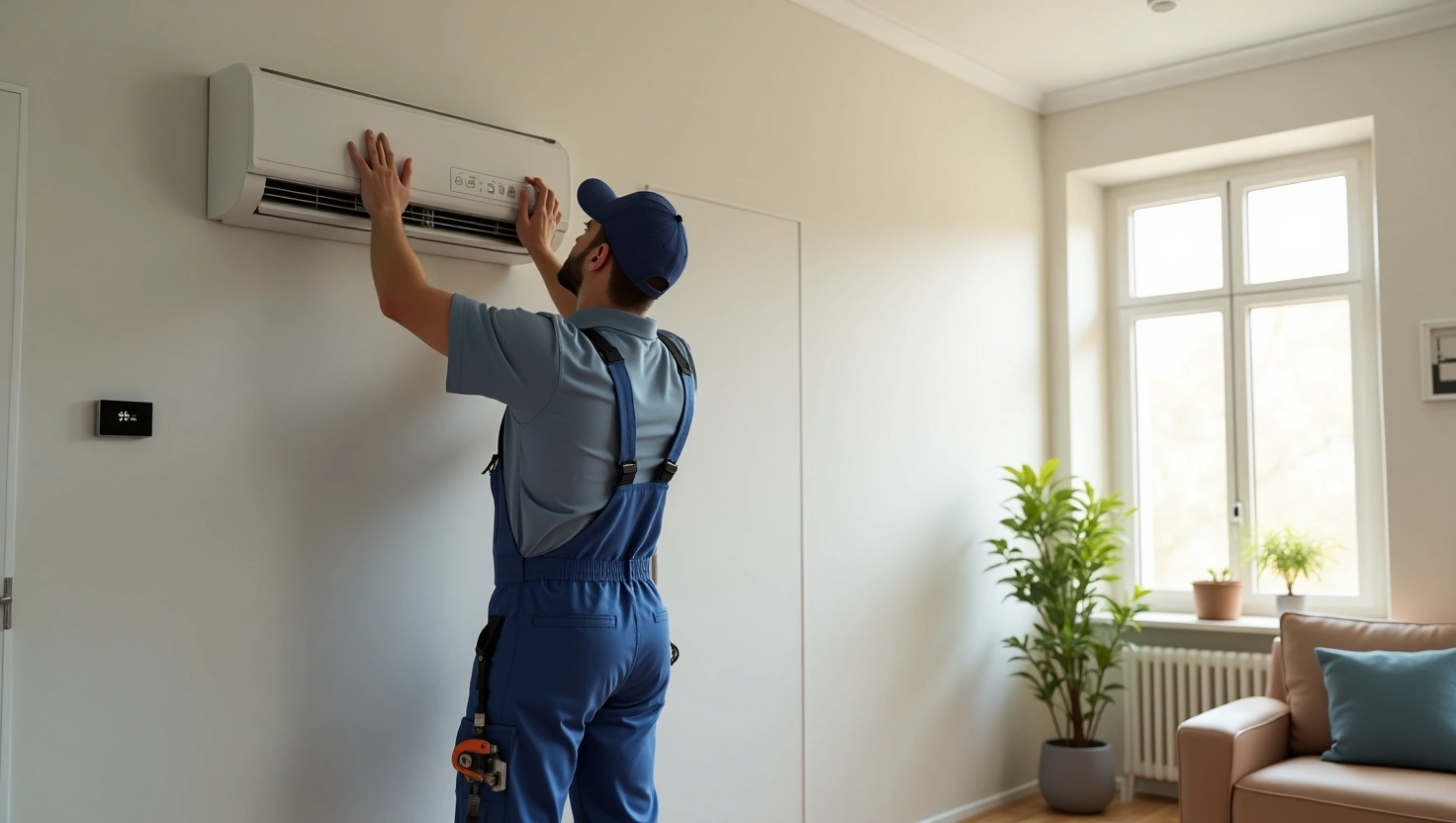
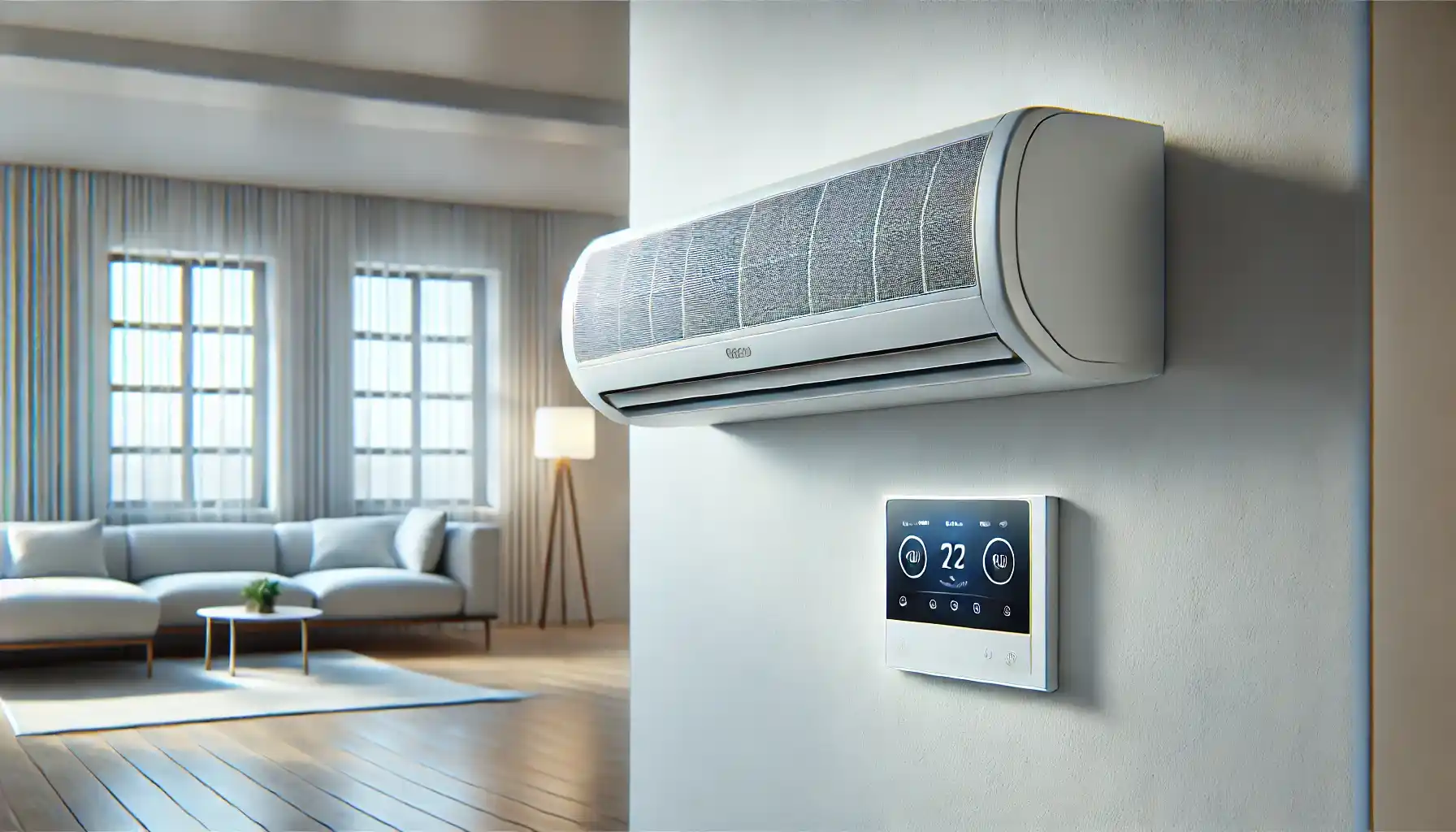
Ductless mini split installation solves a problem that ductwork cannot reach. In this market that is almost always the same short list: an addition built after the original system was sized, a garage conversion, an enclosed Florida room, a primary suite at the end of a long run that has never kept up with the rest of the house, or a condo where the existing air handler closet cannot take anything larger.
It is not automatically the better choice. Where ducts exist and are sound, a properly sized central system will usually cost less to install and less to maintain across the same number of zones. The mini split wins when the alternative is running new duct through finished space, when zone-by-zone control is genuinely wanted, or when a single room needs capacity the central system was never asked to deliver.
Ductless systems are oversized more often than any other equipment type, because capacity is cheap to add at quote stage and the consequence is invisible until summer. An oversized head reaches setpoint in minutes, shuts down before it has pulled moisture out of the room, and leaves a space that is cold and clammy. In a climate where latent load frequently exceeds sensible load, that failure mode is the default rather than the exception.
Correct sizing means a room-by-room load, not a rule of thumb per square foot. Head placement matters as much as capacity: throw, return path and distance from the line-set penetration all change performance, and a head placed where the installation was convenient rather than where the room needed it will underperform its rating permanently.
A single-zone ductless system pairs one outdoor unit with one head and is the simplest case. A multi-zone system runs several heads from one condenser and introduces a constraint most homeowners are not told about: the outdoor unit modulates for the whole group, so a system where one head runs while the others idle will short cycle and dehumidify poorly. Where usage patterns differ sharply between rooms, separate single-zone systems often outperform a multi-zone installation despite the extra outdoor units.
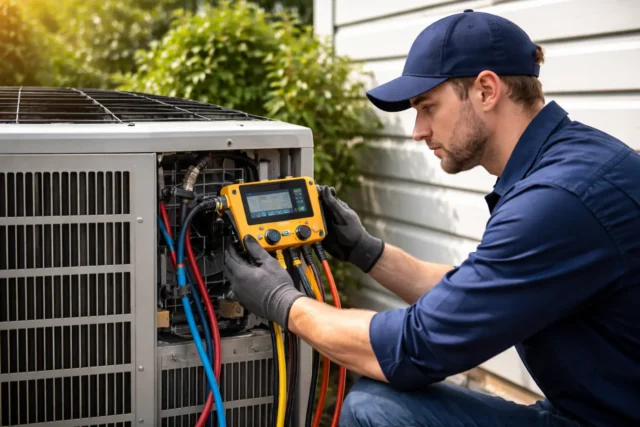
Mini splits fail differently from central systems. The recurring items are the indoor blower wheel, which grows a biofilm inches from a wet coil and loses airflow before anyone notices the smell; the control board, which is the first casualty of a voltage event; and the flare joints at each end of the line set, which are the leak point when the original installation did not torque them to specification. Diagnosis runs through the manufacturer's error codes, so the fault is read from the equipment rather than guessed at from behavior.
Filter rinses are the homeowner's job and they are not maintenance. The service that keeps a ductless system working is a deep clean of the blower wheel and coil, which requires partially dismantling the indoor unit, plus clearing the gravity drain line that blocks far more readily than a central condensate line. A mini split that has never had that done will develop an odour and lose capacity on a predictable schedule, and by the time it is obvious the wheel is usually fouled enough to need removal.
Ductless work goes where a duct cannot. That means Miami Shores, with its twenties and thirties houses and no chase to cut; Davie, where a rear addition or a converted outbuilding needs its own head; and the larger, spread-out properties of Southwest Ranches.
If you are weighing one up: how a mini split is installed, how it compares with an inverter window unit and why these are the quiet option.
Only where ducts cannot reach or zone control is genuinely wanted. Where ducts exist and are sound, a correctly sized central system usually installs and maintains for less across the same number of zones.
It reaches setpoint in minutes and shuts off before it has removed moisture. In a climate where latent load often exceeds sensible load, a head with too much capacity produces a cold, damp room rather than a comfortable one.
The outdoor unit modulates for the whole group. If one head runs while the others idle, the system short cycles and dehumidifies poorly. Where room usage differs sharply, separate single-zone systems often work better despite the extra outdoor units.
Where a duct cannot reach: a garage conversion, a rear addition, a room over the garage, an old house with plaster walls and nowhere to run a chase.
A three-inch hole in the wall and a line set. In most rooms it is a one-day job.
Yes, within limits. Line length and the total capacity of the heads decide it, and we work that out at the survey rather than after the equipment arrives.