English
  Français
  Español
  Русский


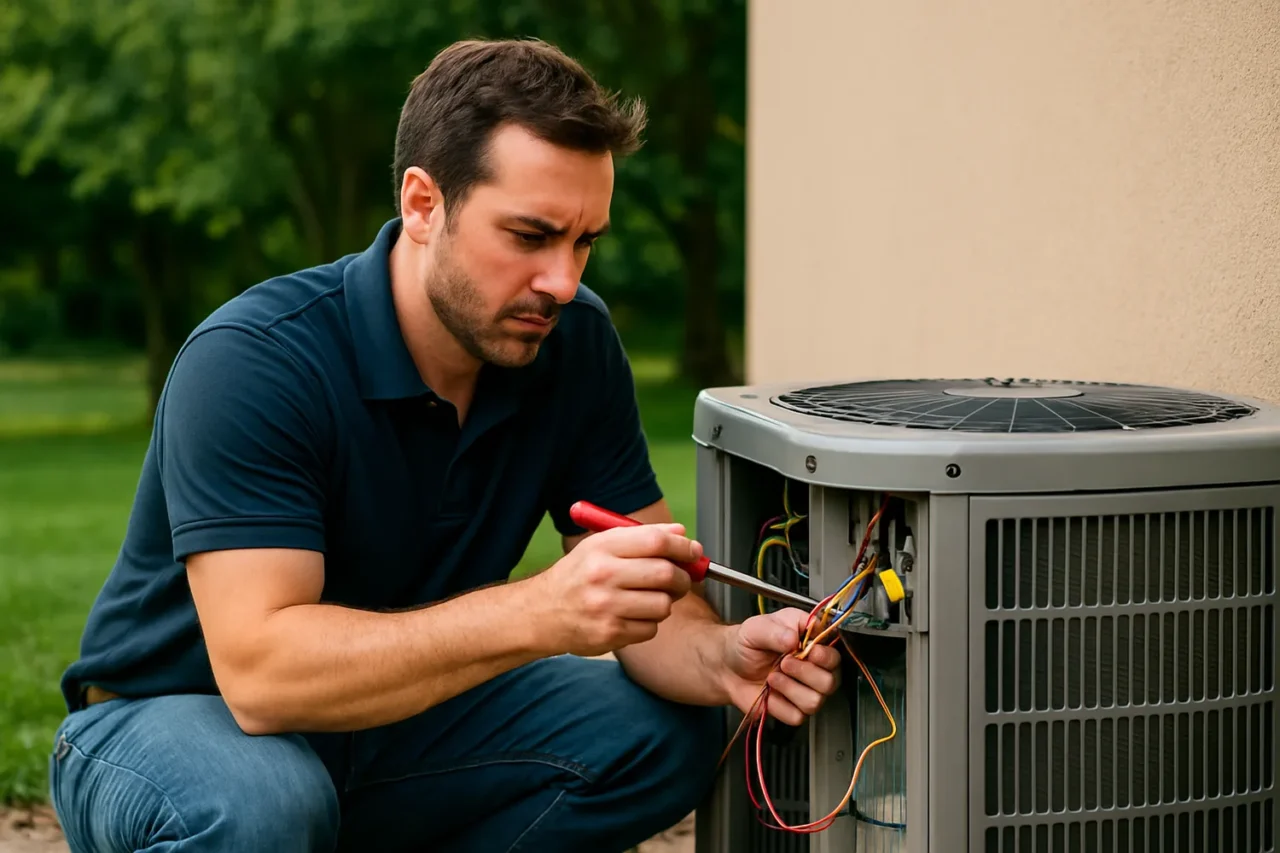
A heat pump is one of the most reliable and energy-efficient ways to keep your home comfortable year-round. But like any mechanical system, it can break down when parts wear out, airflow drops, or electrical components fail. If your heat pump suddenly stops heating, stops cooling, freezes up, or starts running nonstop, you may be facing an issue that requires immediate attention — and often professional heat pump repair services.
Heat pumps are common in South Florida because the heating load is small enough that a reversing valve beats a furnace. They also fail in ways a cooling-only system does not.
This guide explains the most common causes of heat pump problems, the warning signs you should never ignore, and the steps homeowners can take before calling a technician. You’ll also learn when professional repairs are necessary, how to prevent future breakdowns, and how regular maintenance can extend your system’s lifespan.
If you need certified local experts to handle your repair, you can always rely on our trained team available through our professional AC & heat pump service page, located here on the A Customer First AC website.
Understanding the Most Common Heat Pump Repair Problems
Heat pumps replace both your furnace and air conditioner, meaning they run almost all year long. Because of this extended workload, even small issues can escalate quickly if not addressed in time. When a heat pump struggles, you’ll notice changes in temperature, airflow, noise, or energy consumption. ENERGY STAR’s overview of air-source heat pumps notes that these units cool in summer too and that ducted models can use existing ductwork and often replace a furnace or central AC.
Below are the most frequent issues homeowners encounter — and why they typically require heat pump repair sooner rather than later.
Warning Signs That Heat Pump Repair Is Needed Right Away
A heat pump often gives early indicators before the system fails completely. Recognizing them early can prevent expensive damage to major components such as the compressor or reversing valve.
Here are the main red flags:
Weak heating or cooling
If your home never reaches the set temperature, the system may have airflow blockages, a refrigerant leak, or a compressor issue.
Short cycling
The unit turns on and off repeatedly. This usually signals thermostat problems, electrical issues, or a failing control board.
Unusual noises
Grinding, buzzing, rattling, or metal scraping sounds can indicate damaged bearings, loose parts, or a failing fan motor.
Icing on the outdoor unit
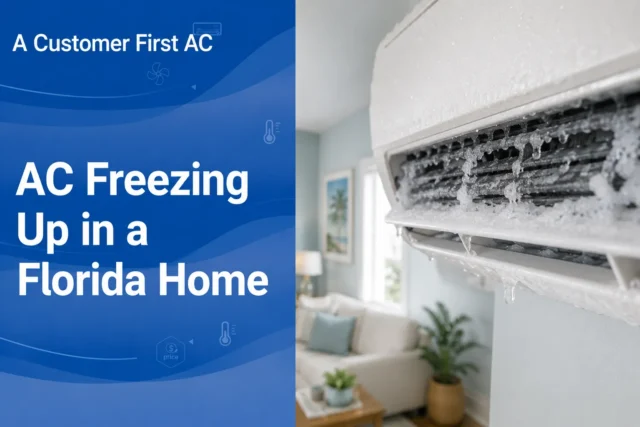
A frozen coil often means airflow restrictions, low refrigerant, or a failing defrost control.
High energy bills
When a heat pump struggles, it consumes more power to compensate for poor performance.
Burning smell or electrical odor
You should shut the system off immediately and seek professional help if you notice this sign.
Constant running
If the heat pump never shuts off, it may be due to leaks, dirty coils, improper defrost cycles, or thermostat problems.
These symptoms shouldn’t be ignored. The sooner they’re addressed, the lower the chance of a severe and costly system failure.
Top Causes Behind Heat Pump Failures and Performance Drops
Heat pumps rely on several mechanical and electrical systems working together. When one component fails, the entire system becomes unstable. Below are the most common causes behind major performance issues.
Airflow Restrictions — A Leading Cause of Heat Pump Repair Calls
When airflow drops, heat transfer becomes impossible. Your heat pump may overheat, freeze, run constantly, or deliver weak heating and cooling.
Common causes of airflow problems:
-
clogged air filters
-
dirty blower wheel
-
blocked return vents
-
restricted ductwork
-
dirty evaporator or condenser coils
Even a slightly restricted airflow can reduce efficiency by 20–40%. Regular filter replacements and coil maintenance are essential.
Refrigerant Leaks and Low Charge Levels
Refrigerant is the “lifeblood” of your heat pump. If levels drop due to leaks, the system cannot complete its heating or cooling cycle. Low refrigerant can:
-
freeze the coil
-
damage the compressor
-
reduce capacity
-
force the heat pump to run nonstop
Only licensed HVAC technicians can safely diagnose and refill refrigerant systems.
Electrical and Control Failures
Heat pumps rely on multiple electrical components: boards, capacitors, relays, wiring, sensors, and the reversing valve, which switches between heating and cooling operation.
Electrical problems often cause:
-
failure to start
-
intermittent operation
-
short cycling
-
tripped breakers
-
system lockouts
If you hear clicking, buzzing, or smell burning, shut your system off immediately.
Dirty Coils and Outdoor Unit Blockages
Like an AC condenser, the outdoor heat pump coil must stay clean to transfer heat effectively. If it becomes clogged with outdoor debris such as leaves or grass, you’ll see:
-
weaker heating
-
weaker cooling
-
overheating
-
ice buildup in winter
-
shortened equipment lifespan
Outdoor cleaning is one of the most effective forms of heat pump maintenance.
Thermostat Problems
Sometimes the issue is not the heat pump itself, but incorrect thermostat settings, faulty wiring, or miscommunication between the system and thermostat.
Signs include:
-
inaccurate temperature readings
-
short cycling
-
system not responding
-
heating and cooling mode errors
Smart thermostats often detect these issues automatically.
Professional Heat Pump Repair: What Technicians Check and Fix
Heat pump repairs require specialized tools, electrical knowledge, and EPA-certified handling of refrigerant. The EPA’s Section 608 page explains that the Clean Air Act bans intentionally venting refrigerants while air conditioning equipment is maintained, serviced or repaired. A technician begins by performing a full diagnostic evaluation.
Here’s what they typically examine:
-
compressor and fan motor health
-
air handler performance and blower motor operation
-
refrigerant pressure levels
-
reversing valve function
-
sensors & control boards
-
ductwork airflow
-
outdoor coil cleanliness
-
thermostat communication
After identifying the problem, technicians recommend the most cost-effective solution — whether that’s replacing a capacitor, repairing a leak, cleaning the system, or restoring normal airflow.
If you’d like a professional evaluation, schedule a service through our AC and heat pump repair specialists, easily accessible from our A Customer First AC homepage.
DIY Heat Pump Troubleshooting Before Calling a Technician
While complicated repairs should be left to professionals, homeowners can safely perform a few checks:
-
replace or clean your air filter
-
ensure vents are fully open
-
remove debris from the outdoor coil
-
check your thermostat settings
-
reset tripped breakers
-
check for ice buildup (if present, turn the unit off)
-
verify that the outdoor unit isn’t blocked by snow or vegetation
If these simple steps don’t resolve the issue, professional diagnostics are needed to prevent long-term damage.
How to Prevent Heat Pump Breakdowns and Extend System Lifespan
Preventative maintenance is the best strategy for avoiding expensive heat pump repair. Here are the most effective strategies:
Schedule annual tune-ups
This helps professionals catch problems early.
Keep coils and filters clean
This supports airflow and improves efficiency.
Inspect ductwork yearly
Leaks and restrictions reduce performance.
Trim landscaping around the outdoor unit
At least 2–3 feet of clear space is recommended.
Monitor energy bills
Sudden increases can indicate mechanical issues.
Replace old thermostats with smart systems
Better control reduces strain on the heat pump.
Heat pumps typically last 12–15 years, but proper care can easily extend this lifespan.
FAQ
What are the most common heat pump repair issues?
The most common problems include airflow restrictions, refrigerant leaks, dirty coils, electrical failures, thermostat issues, and faulty reversing valves.
Why is my heat pump not heating or cooling properly?
Poor heating or cooling can be caused by blocked airflow, low refrigerant, a malfunctioning compressor, or a clogged outdoor coil.
Can I fix heat pump issues myself?
Simple maintenance is safe, but electrical or refrigerant-based repairs must be handled by trained HVAC professionals.
How much does heat pump repair typically cost?
Costs vary based on the issue, but minor repairs are affordable while major repairs like compressor replacement are more expensive.
How do I prevent future heat pump breakdowns?
Regular maintenance, clean coils, proper airflow, and yearly tune-ups are the best ways to reduce system failures.