English
  Français
  Español
  Русский


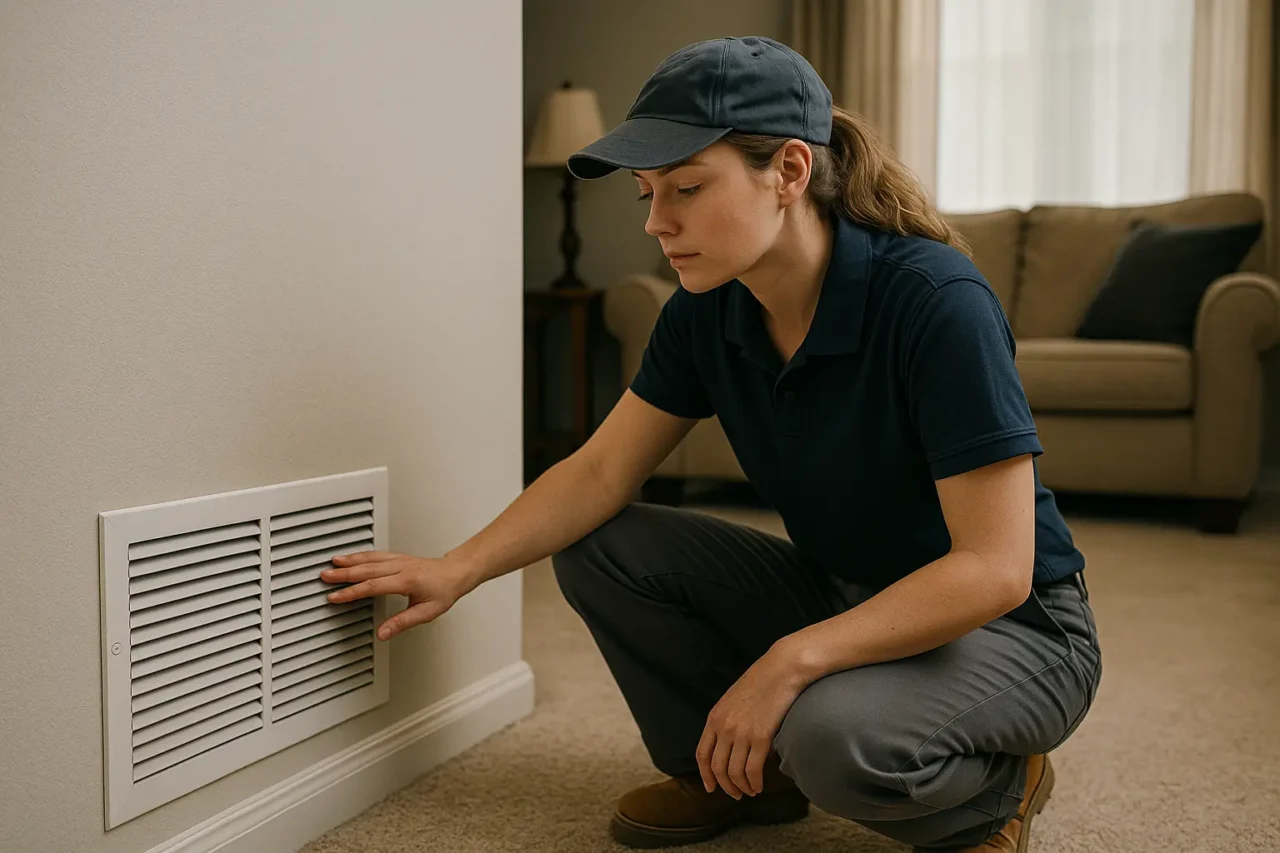
When homeowners think about heating and cooling, the focus usually goes to HVAC units, thermostats, or filters. Yet one of the most overlooked parts of the entire system is the home vent — the final point where conditioned air enters your living space. Vents determine how evenly your home warms up in winter, cools down in summer, and how effectively your HVAC system operates day after day. Ignoring them often leads to poor airflow, higher bills, uneven rooms, and declining indoor air quality.
Vent problems are common in the South Florida housing stock for a specific reason: much of it was built before central air, and the supply and return were added later by whoever was cheapest at the time. Closed vents and blocked returns make that worse rather than saving anything, and the pressure reading below shows why.
In this complete guide, you’ll learn why home vents matter more than most people realize, what problems they often develop, how to improve airflow instantly, and when it’s time to call a professional. With simple steps and smart upgrades, you can make your home more comfortable, more energy efficient, and healthier to live in.
If at any point you need professional help, the trained team at A Customer First AC is always ready to assist — visit our AC Service page for expert HVAC repair and maintenance, or return to our main homepage for full system support.
Why the Home Vent Matters More Than You Think
Most homeowners don’t think about vents unless they’re covered in dust or blowing air too weakly. But the vent is the last and most critical step in the airflow chain. Even if your HVAC unit is powerful and well-maintained, a blocked or poorly installed vent can sharply reduce system performance.
A properly functioning home vent directly affects:
-
Airflow strength
-
Temperature consistency
-
Energy efficiency
-
Humidity control
-
Indoor air quality
-
Overall HVAC system lifespan
Every room relies on vents to deliver the right amount of heated or cooled air. When vents fail or airflow becomes restricted, your HVAC system works harder than necessary, driving up energy bills and increasing wear on the blower, coils, and compressor.
Common Problems That Affect the Home Vent
As your HVAC system operates throughout the year, the vents endure dust buildup, pressure fluctuations, and changes in humidity. Over time, these factors can cause several issues that affect airflow and comfort.
Below are the most frequent home vent problems homeowners experience — and the signs that something is wrong.
Weak Airflow From the Home Vent: Causes and Solutions
One of the most common complaints is weak or inconsistent airflow from vents. This issue is often the first warning sign that the HVAC system is under strain.
Major causes include:
Clogged filters
Dirty filters restrict airflow before it even reaches the vents.
Blocked or closed vents
Furniture, rugs, or decor often block air pathways.
Dust buildup inside the vent
Over time, accumulated dust reduces airflow and worsens indoor air quality.
Leaky or damaged ductwork
Air escapes before reaching the vent, leaving rooms under-conditioned.
Blower motor issues
If the blower weakens, airflow drops in every room.
Weak airflow always has a cause — and the sooner it’s solved, the better the system performance will be.
Uneven Home Temperatures Due to Vent Issues
If some rooms feel too hot while others are freezing, your vents could be the reason. Uneven temperatures typically point to:
-
vents installed too close or too far from heat sources
-
improperly balanced ductwork
-
airflow restrictions
-
poor vent sizing
-
closed or partially closed registers
Balancing airflow is one of the simplest yet most effective ways to improve comfort. Professionals often adjust dampers, clean duct interiors, or upgrade vent models to restore balance.
Noises Coming From the Home Vent
Vents sometimes produce noises that signal airflow or mechanical issues. Common vent-related sounds include:
-
whistling
-
rattling
-
popping or banging
-
loud rush of air
Whistling often indicates high static pressure or airflow restriction. Rattling may be caused by loose vent covers or duct vibration. Popping typically comes from temperature-related expansion inside metal ducts.
No matter the sound, noises coming from vents shouldn’t be ignored — they usually point to airflow imbalance or structural duct issues.
Poor Indoor Air Quality Linked to the Home Vent
Because vents deliver air directly into living spaces, anything in the duct system eventually enters the home. Signs of poor indoor air quality include:
-
lingering dust
-
allergy flare-ups
-
musty or stale odor
-
visible dirt collecting around vent edges
-
excessive humidity
Regular cleaning and proper ventilation are essential to maintaining clean, healthy air.
How to Improve Airflow Through the Home Vent
Airflow optimization can dramatically improve comfort, lower energy bills, and reduce the strain on your HVAC system. Here are the most effective ways to restore strong airflow through your home vents.
Clean the Home Vent and Register Covers
Dust buildup is the biggest airflow killer. Cleaning vent covers takes only minutes and instantly improves performance.
Steps include:
-
removing the vent cover
-
washing it with warm soapy water
-
vacuuming the opening
-
checking for visible blockages
This simple step alone can boost airflow by 10–20%.
Check for Proper Vent Positioning in Each Room
Many homeowners unknowingly block vents with:
-
couches
-
beds
-
curtains
-
bookshelves
-
cabinets
A vent needs at least 6–12 inches of unobstructed clearance to work properly. Rearranging furniture often solves airflow issues immediately.
Replace HVAC Filters Regularly
The filter is the first line of defense for airflow. When it clogs, airflow drops everywhere — including at the vents. Replace filters:
-
every 1–2 months for standard filters
-
monthly for homes with pets
-
more frequently during heavy HVAC use
This alone protects your entire HVAC system.
Ensure Ductwork is Sealed and Insulated
Leaking ducts can waste up to 30% of conditioned air. If airflow is weak at certain vents, it’s often because air is escaping before reaching the room.
Professionals can:
-
detect duct leaks
-
seal cracks
-
restore proper airflow
-
improve static pressure
This service provides a noticeable improvement in comfort and efficiency.
Upgrade Vent Covers to High-Flow Models
Older vent models often restrict airflow. Modern high-flow versions allow better distribution and reduced noise.
Signs you may need an upgrade:
-
noise when air exits the vent
-
visible dust streaks
-
old metal slat designs
-
uneven airflow across rooms
A small upgrade can produce a big improvement in temperature consistency.
Professional Solutions for Persistent Home Vent Problems
Some vent-related problems go beyond simple cleaning.
A trained HVAC technician can diagnose and fix issues involving:
-
duct leaks
-
duct resizing
-
static pressure imbalance
-
blower motor performance
-
ventilation design
-
airflow mapping
-
thermostat miscommunication
Professionals may also recommend:
-
duct reconfiguration
-
adding new vents or removing unused ones
-
upgrading the blower motor
-
installing smart zoning dampers
If airflow issues persist after DIY steps, professional diagnostics will uncover the root cause. We offer complete system diagnostics and airflow balancing through our AC Service department — and you can always access our A Customer First AC homepage for the full list of home comfort solutions.
FAQ
Why does my home vent have weak airflow?
Weak airflow is typically caused by clogged filters, blocked vents, duct leaks, dirty vent covers, or blower motor issues. Cleaning and inspection are the first steps.
Why are some rooms warmer or cooler than others?
Uneven temperatures usually come from blocked vents, duct imbalances, improper vent sizing, or airflow restrictions inside the ventilation system.
Should vents always be open?
Yes. Closed vents increase pressure in the duct system and force the HVAC unit to work harder, which can cause damage over time.
Why does my home vent make noise?
Noises like whistling or rattling often indicate high static pressure, restricted airflow, loose vent covers, or expanding ductwork.
How often should I clean home vents?
Clean vent covers every 2–3 months and schedule professional duct cleaning every 2–5 years depending on dust levels, pets, and home size.