English
  Français
  Español
  Русский


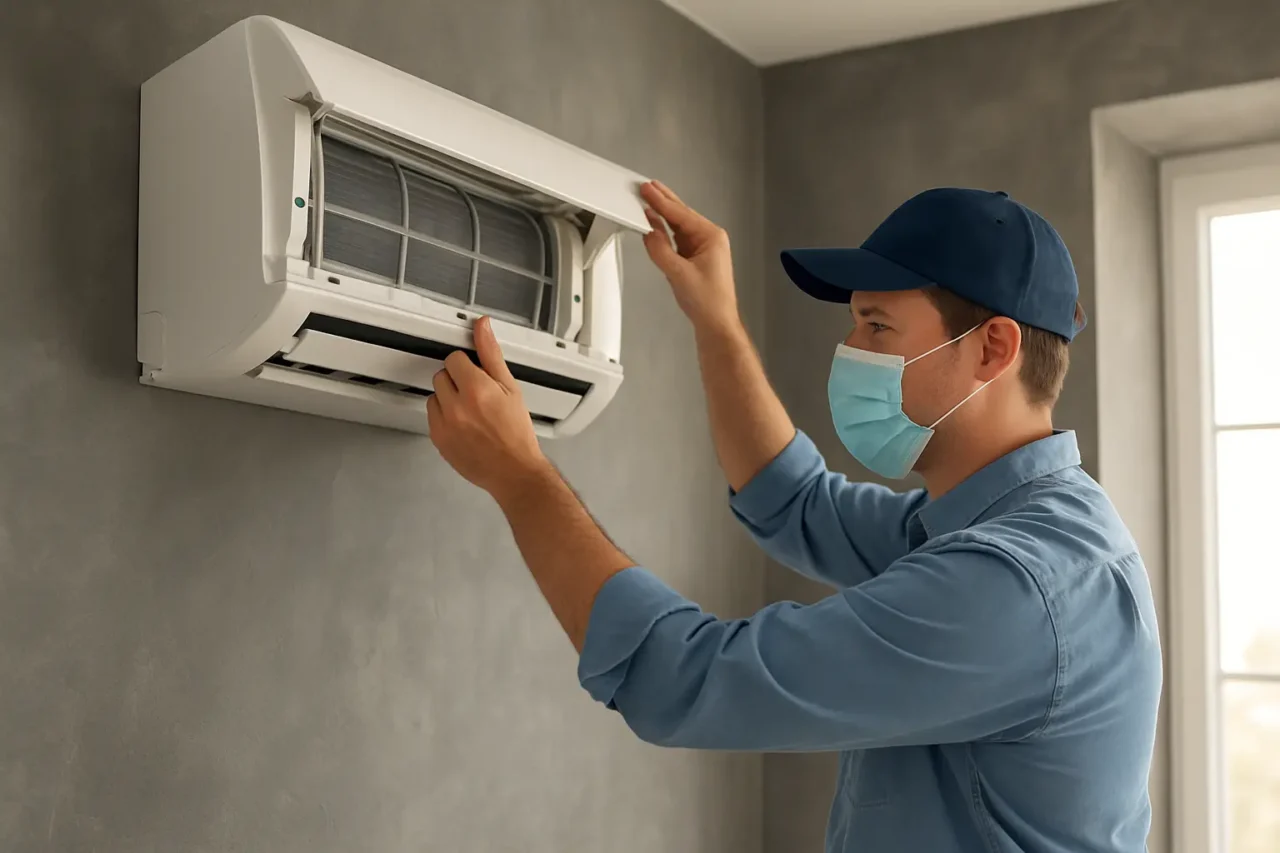
When summer comes, air conditioners become a must-have in most homes and offices. But many people still wonder: do AC consume electricity in a way that seriously impacts bills, or is it just a myth? Understanding how AC systems work and why they use electricity can help you make smarter choices, save money, and keep your living space comfortable without wasting energy.
The answer is different in South Florida than almost anywhere else in the country, because the system runs about eleven months of the year rather than three or four. Cooling is not a line on the bill here, it is most of the bill, which is why the efficiency questions below are worth more attention than they would be further north.
A number on a bill only means something next to the system producing it. If your home is in Florida, we can look at what yours is drawing and why.
How Much Electricity Does an AC Use?
An air conditioner draws power only while it runs, and how much it draws depends on its type, its size and how long it runs. A central system typically draws somewhere between 2,000 and 5,000 watts while the compressor is on. A window unit draws roughly 500 to 1,500 watts.
To turn that into a bill, multiply the watts by the hours the system runs and divide by 1,000. A central system drawing 3,000 watts for 8 hours uses 24 kilowatt-hours that day. In South Florida the hours are the part that surprises people, because the system runs most of the year. ENERGY STAR notes that nearly half of the energy used in a home goes to heating and cooling, and here, with almost no heating season, that is mostly cooling.
To compare your own numbers with national figures, the U.S. Energy Information Administration publishes its Residential Energy Consumption Survey, which breaks home energy use down by end use.
Why Two Systems Use Different Amounts
Four things set the draw. Capacity comes first: a larger system pulls more power while it runs, and an oversized one also cycles badly. Efficiency matters next, since a higher SEER2 rating delivers the same cooling for less electricity. Then the thermostat, because a lower setting keeps the system running longer. Last is the house itself: leaks and weak insulation force more run hours.
Regular upkeep matters because a dirty or under-charged system works harder for the same cooling. ENERGY STAR recommends a yearly tune-up of heating and cooling equipment, and a professional AC maintenance visit covers the coil cleaning, refrigerant check and filter work that keep the draw where it belongs.
Does an AC Use Electricity When It Is Off?
When the compressor is not running, the cooling itself uses nothing. What can remain is a small standby draw: the control board, a display and, on a ductless unit, the receiver for the remote. That trickle is tiny next to the hours the compressor runs, so unplugging a unit is not where the savings are.
A central system cannot be unplugged at all, because it is wired directly. It is switched off at the thermostat and, for the outdoor unit, at a disconnect or breaker. Setting the thermostat to off stops the compressor, which is the part that matters for the bill.
How to Cut What Your AC Uses
The biggest gains come from running the system fewer hours, not from running it harder for less time.
- Hold the thermostat steady. A lower setting does not cool the house faster, it only keeps the system running past the point of comfort. ENERGY STAR suggests setting a room unit around 78°F if that is comfortable.
- Add airflow. A ceiling fan lets you feel comfortable at a higher setting.
- Seal the leaks. Gaps around windows, doors and ducts let cooled air out and hot, humid air in.
- Keep the filter clean. ENERGY STAR advises checking the filter monthly in the heavy-use seasons and changing it at least every 3 months.
- Consider a smart thermostat. ENERGY STAR describes certified smart thermostats as Wi-Fi enabled models that learn your schedule and adjust automatically; confirm that one is compatible with your equipment.
When you replace a system, size it properly: an oversized unit cools fast, shuts off early and leaves the house damp, as our guide to sizing an AC for a Florida home explains. And if your system is more than ten years old, ENERGY STAR advises having a professional evaluate it.
What Actually Drives the Number on a Florida Bill
Efficiency ratings get the attention, and run hours decide the outcome. A system in Broward or Miami-Dade works something like eleven months of the year, so a small difference in how hard it has to work is multiplied by an enormous number of hours. That is why two identical houses on the same street can be hundreds of hours apart over a summer without either owner doing anything unusual.
Four things move that number more than the label on the equipment does. Duct leakage comes first: gaps in a supply run through an attic that reaches well past a hundred degrees put cooled air where nobody lives, and pull hot damp air back in through the return side. A dirty condenser coil comes second, because a coil that cannot shed heat raises the pressure the compressor works against, and the compressor answers by drawing more current for the same cooling.
Third is the thermostat, used as though a lower number cools faster. It does not. It only makes the system run past the point where the house was already comfortable. Fourth is the part people rarely separate out: in an all-electric house, the water heater, the pool pump and the dryer share the bill, and a summer increase gets blamed on the air conditioning by default.
None of that is visible from the bill alone, which is why the useful step is measurement rather than guesswork. Airflow, refrigerant charge and duct pressure tell you which of the four is yours.
Is Your Bill Climbing Every Month?
A system that runs longer than it should is usually telling you something about its age, its charge or its ducts. We check all three on a maintenance visit.
FAQ
How much of a Florida electric bill is the air conditioner?
In most Broward and Miami-Dade homes it is the largest single item on the summer bill, and it stays significant through what other states call autumn. Cooling load here does not have an off season, it only has a quieter one.
Is it cheaper to shut the AC off while nobody is home?
Usually not, and humidity is why. A house left closed up in August gains moisture as well as heat, and the system then runs a long recovery cycle to pull both back out. A modest setback beats switching off.
Does a higher efficiency rating actually pay back in Florida?
It pays back faster here than almost anywhere else, because the payback is a function of run hours and this climate supplies them. The same upgrade in a four-month cooling season takes far longer to earn its keep.
Does an AC use electricity when it is turned off?
The cooling stops using power when the compressor stops, but a unit that is switched off and still connected can keep a small standby draw for its control board or remote receiver. It is minor next to the hours the compressor runs, so the real saving is in running the system less, not in unplugging it.