English
  Français
  Español
  Русский
 The Silent Force Behind Airflow: Understanding Static Fan Pressure
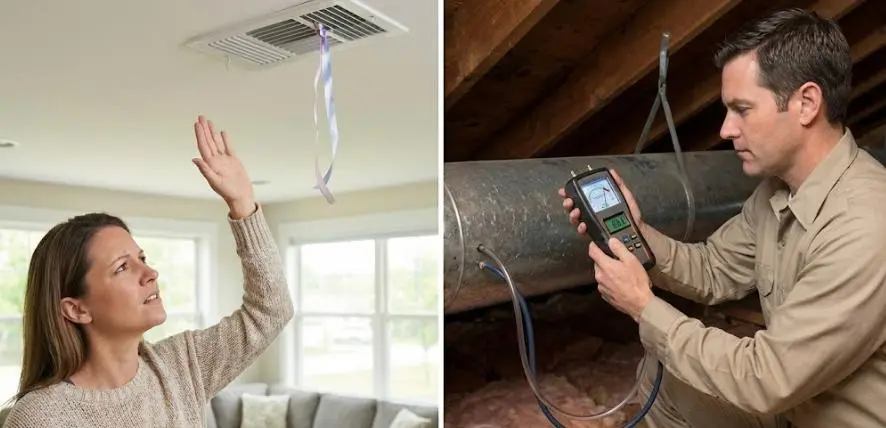
When airflow feels weak, rooms never reach the right temperature, or your HVAC system sounds louder than it should, the problem often isn’t the thermostat or the equipment itself. In many homes, the real issue is static fan pressure — an invisible force that quietly controls how well air moves through your system.
Static fan pressure is the resistance your HVAC fan must overcome to push air through filters, ductwork, coils, and vents. When this pressure is balanced, airflow is smooth and efficient. When it’s too high, everything struggles. Comfort drops. Energy use rises. Components wear out faster.
This guide explains static fan pressure in plain language, shows why it matters more than most homeowners realize, and walks you through real-world solutions that protect your HVAC system and your wallet.
If airflow problems persist or noise keeps getting worse, professional diagnosis through trusted HVAC services can prevent long-term damage before repairs become expensive.
Why Static Fan Pressure Determines Comfort, Efficiency, and System Life
Static fan pressure affects every part of your HVAC system. The fan’s job is simple: move air. But when resistance builds up inside the system, the fan has to work harder just to do its basic job.
Imagine blowing air through a wide straw versus a pinched one. The tighter the path, the harder you must blow — and the less air actually comes out. That’s exactly what happens when static fan pressure rises too high.
High static fan pressure leads to:
• weak airflow from vents
• uneven temperatures between rooms
• louder system operation
• overheating fan motors
• higher monthly energy bills
• frequent repairs and early system failure
Even powerful HVAC systems fail to perform well when pressure is excessive. Air simply cannot move the way it was designed to.
For homeowners focused on long-term comfort and efficiency, understanding airflow fundamentals shared on the A Customer First AC home page helps prevent common mistakes that shorten system life.
Static Fan Pressure Explained in Simple, Real-Life Terms
Static fan pressure is the force pushing back against the HVAC fan as it moves air. The higher the resistance, the harder the fan works.
This resistance comes from everything air touches inside the system:
• air filters
• ductwork
• coils
• grilles and registers
• internal cabinet design
Your HVAC manufacturer designs the system to operate within a specific pressure range. When airflow pathways become restricted, static fan pressure rises above safe levels.
Once that limit is exceeded, airflow drops sharply while mechanical stress increases dramatically.
This is why systems with new equipment still perform poorly when airflow design is ignored.
What Causes Static Fan Pressure Problems in Homes
Static fan pressure rarely becomes excessive overnight. It usually builds slowly as restrictions stack up. Understanding the causes helps you prevent problems before they damage your system.
Airflow Restrictions and Static Fan Pressure Build-Up
Airflow restrictions are the number one cause of static fan pressure issues.
Common restrictions include:
• dirty or overly dense air filters
• clogged evaporator coils
• blocked return vents
• crushed or kinked duct sections
• excessive flexible ducting
• furniture covering vents
Even one blocked return grille can double static fan pressure and cut airflow significantly.
Poor Duct Design or Improper Installation
Many duct systems were never sized correctly for the home. Undersized ducts create constant resistance, forcing the fan to fight pressure every time it runs.
Symptoms include:
• loud rushing air
• rooms that never feel comfortable
• constant fan strain
• short equipment lifespan
No amount of thermostat adjustment fixes poor duct design.
Small or Restrictive Registers and Grilles
Even when duct sizes are correct, restrictive grilles act like choke points. Air builds up behind them, raising static fan pressure inside the system.
This often causes whistling sounds, uneven airflow, and pressure imbalance between rooms.
Dirty Coils and Blower Components
Dust and debris don’t just affect air quality — they restrict airflow directly. Dirty coils force air to squeeze through narrow passages, raising pressure and increasing energy consumption.
Closed or Blocked Vents
Closing vents to “save energy” actually increases static fan pressure. The fan still pushes the same amount of air, but with fewer exit paths, resistance skyrockets.
How Static Fan Pressure Is Measured by Professionals
Static fan pressure cannot be guessed. It must be measured using proper tools.
Technicians use:
• static pressure probes
• digital manometers
They measure:
• return pressure
• supply pressure
• total static fan pressure
Each measurement reveals where airflow is being restricted.
Normal pressure means airflow is healthy. Elevated pressure signals developing issues. Excessive pressure indicates serious system strain that can lead to failure.
A professional airflow test pinpoints problems quickly and accurately, preventing unnecessary part replacements.
Practical Steps to Reduce Static Fan Pressure at Home
You don’t need technical training to improve airflow basics. These steps help reduce static fan pressure safely.
Replace the Air Filter Correctly
Use filters recommended by your HVAC system. Extremely high-MERV filters can restrict airflow if ducts aren’t designed for them.
Replace filters regularly — not just when they look dirty.
Open All Supply and Return Vents
Ensure vents are fully open and unobstructed. Remove furniture, rugs, and curtains blocking airflow.
Inspect Visible Ductwork
Look for crushed, sagging, or disconnected ducts — especially in attics and crawlspaces.
Clean Registers and Grilles
Dust buildup reduces airflow more than most people expect. Cleaning them improves air movement instantly.
Schedule Professional Airflow Testing
When basic steps don’t solve the problem, professional evaluation is essential. Specialists may adjust duct layout, add returns, resize grilles, or correct installation errors.
Booking airflow diagnostics through a trusted HVAC service team protects equipment and restores comfort efficiently.
How to Prevent Static Fan Pressure Problems Long-Term
Consistent airflow health requires simple habits:
• replace filters on schedule
• keep vents open
• maintain clean coils
• avoid DIY duct modifications
• schedule annual maintenance
• ensure ducts match system size
Healthy airflow keeps static fan pressure in check and extends system lifespan.
Static Fan Pressure Questions Homeowners Ask Most
What is static fan pressure in an HVAC systems
Static fan pressure is the resistance the HVAC fan must overcome to move air through ducts, filters, and internal components.
What causes static fan pressure to rise too high?
Dirty filters, blocked vents, undersized ductwork, restrictive grilles, and clogged coils all increase resistance and raise pressure.
Can high static fan pressure damage HVAC equipment?
Yes. It overheats fan motors, increases energy use, reduces airflow, and shortens the lifespan of major components.
How do professionals measure static fan pressure?
They use a manometer and pressure probes to measure supply, return, and total system pressure accurately.
Can I lower static fan pressure without replacing my system?
Often yes. Opening vents, replacing filters, cleaning coils, and correcting duct restrictions can dramatically improve airflow.
Final Thoughts: Why Static Fan Pressure Deserves Your Attention
Static fan pressure may be invisible, but its effects are not. It quietly determines whether your HVAC system runs efficiently or struggles every day.
Ignoring pressure problems leads to higher bills, uneven comfort, and early equipment failure. Addressing them restores airflow, protects your investment, and keeps your home comfortable year-round.
If airflow issues persist or system noise increases, professional evaluation ensures problems are corrected safely and permanently — before small issues turn into costly repairs.