English
  Français
  Español
  Русский


Every home has that one room that’s always hotter or colder than the rest. If you’re tired of uneven temperatures, the solution might be simpler than you think — a zoned HVAC system.
Zoning comes up often in newer Broward and Palm Beach houses, where a two-storey layout puts the upstairs system under load the downstairs one never sees. Whether zoning or a second system is the better answer in a Florida house depends on the duct layout rather than on the price list.
Zoning technology allows you to set different temperatures in different rooms, helping you save energy while keeping everyone comfortable. But before you make the switch, it’s worth understanding what impacts zoned HVAC system cost and how to make the most of your investment.
At A Customer First AC, we specialize in custom HVAC zoning setups that maximize comfort, reduce waste, and extend your system’s lifespan.
What Is a Zoned HVAC System and How It Works
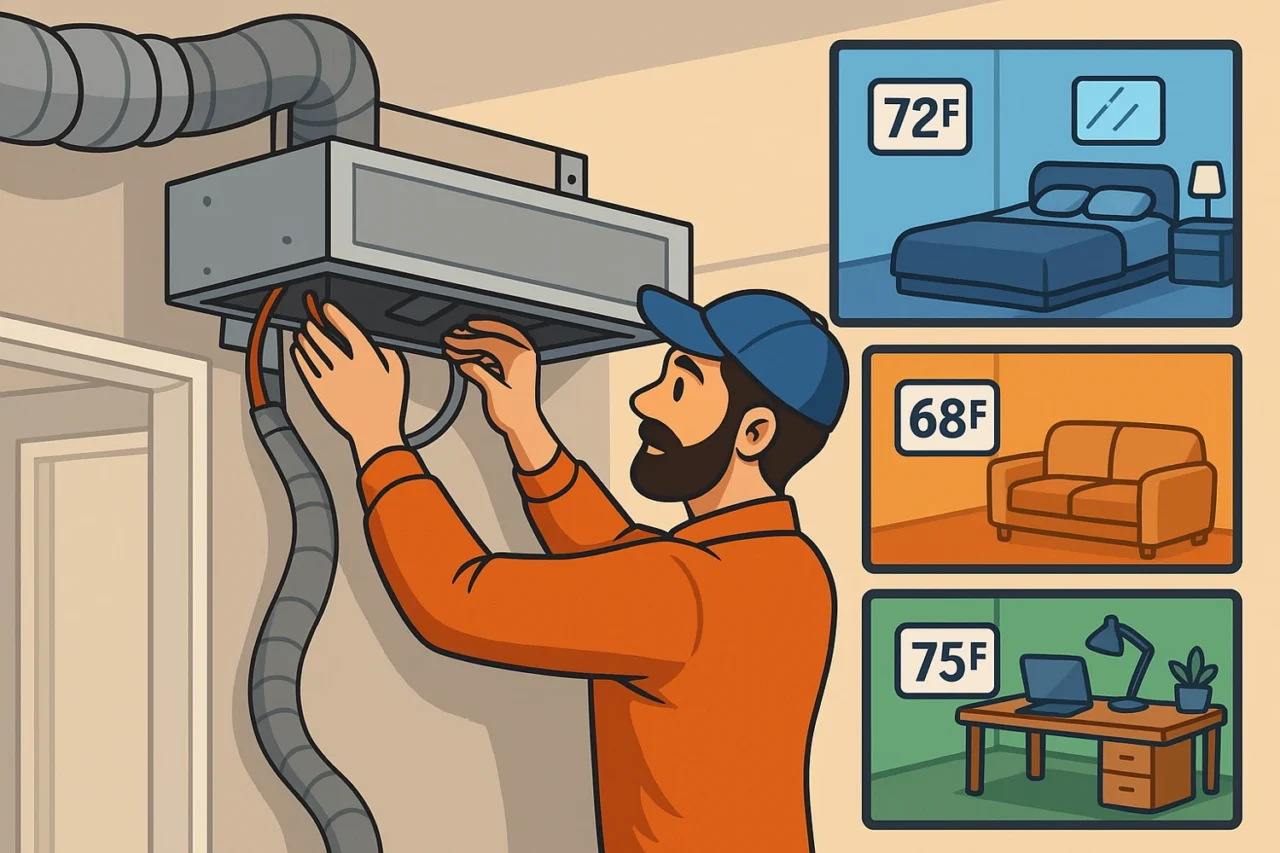
A zoned HVAC system divides your home into separate areas — called zones — that can each have their own temperature setting.
This setup uses thermostats, dampers, and a central control panel to direct warm or cool air only where it’s needed. The result is total indoor comfort and improved energy efficiency.
Your air handler plays an important role here: it circulates air between zones evenly, maintaining the perfect balance of airflow and pressure. A modern air handler can automatically adjust its speed to match demand, ensuring smooth operation across all zones.
Factors That Influence Zoned HVAC System Cost
Several factors determine how much your system will cost:
-
Home Size and Layout: Larger homes require more zones and dampers. Two zones may be enough for small homes, while bigger properties might need four or more.
-
Type of Air Handler: High-efficiency variable-speed air handlers cost more but operate quietly, use less energy, and ensure even comfort.
-
Thermostat Technology: Basic thermostats are cheaper, but smart models provide remote control and scheduling for better efficiency.
-
Ductwork Modifications: Older duct systems may need upgrading to handle zoning properly.
-
Labor and Installation Complexity: The more zones or floors you have, the more detailed the installation process becomes.
What Goes Into Zoned HVAC System Cost
The average cost of installing a zoned HVAC system in 2025 depends on your home’s design, number of zones, and system configuration. For a typical setup with two to four zones, the total comes down to how many zones you need and how much of the existing system can be reused.
Here’s how that breaks down:
-
The zone control panel — the “brain” of your zoning system — is one of the larger single items on any zoning quote.
-
Dampers and sensors, which manage airflow in each zone, are priced per zone, so the number of zones drives this part directly.
-
Upgrading to smart thermostats adds a cost per unit, giving you full digital control and scheduling options.
-
If your existing ductwork needs modifications, expect a separate line on the estimate, sized by how much rework the layout needs.
-
The air handler itself — essential for balanced airflow and energy-efficient operation — is the biggest single piece of equipment in the project.
-
Finally, labor and installation add their own share, which covers zoning setup, wiring, testing, and system calibration.
While that may seem like a big upfront investment, a zoned system quickly pays for itself through lower utility bills, better temperature control, and fewer maintenance issues.
How Zoning Saves You Money
Traditional HVAC systems heat or cool the entire house at once, wasting energy on empty rooms. Zoned systems focus air only where it’s needed, helping you reduce monthly energy costs by up to 30%.
When paired with a quality air handler, this setup ensures that your system doesn’t overwork. Less stress on components means fewer repairs and a longer lifespan. Over time, that efficiency translates into major savings.
Why Air Handlers Are Essential for Zoned Systems
Your air handler determines how effectively air moves through each zone. A weak or outdated model can lead to inconsistent temperatures and noisy operation.
Upgrading to a variable-speed air handler allows the system to adjust airflow automatically, maintaining comfort and reducing pressure build-up in ducts. It also enhances humidity control and ensures your HVAC runs at its most efficient speed.
If you’re considering ductless options or additions, explore our Mini Split Services — a perfect match for zoning smaller or newly added spaces.
Long-Term Benefits of a Zoned HVAC System
Zoning isn’t just about comfort — it’s about creating a smarter, more efficient home.
Here’s what homeowners love most about zoning:
-
Custom Comfort: Each family member can enjoy their preferred temperature.
-
Energy Efficiency: Reduces unnecessary heating or cooling.
-
Quiet Operation: Less noise compared to full-power central systems.
-
Improved Air Quality: More even circulation reduces dust and humidity.
-
System Longevity: Less strain on the HVAC system means fewer repairs.
Is the Investment Worth It?
When evaluating zoned HVAC system cost, it’s important to consider both the immediate and long-term returns.
The upfront expense is real, but zoning typically lowers energy bills by 20–30% annually and helps your system last several years longer. In most homes, the setup pays for itself within a few seasons of efficient use.
Zoning is especially beneficial for multi-story houses, large families, or homeowners looking to improve comfort while lowering environmental impact.
Why Choose A Customer First AC
At A Customer First AC, we’ve built our reputation on quality, transparency, and customer trust. Our technicians design zoning systems around your unique floor plan and comfort preferences, ensuring that every room feels just right.
We handle everything — from selecting the right air handler and dampers to programming smart thermostats and optimizing airflow. Plus, our ongoing maintenance plans help protect your investment for years to come.
For more details about our services and offers, visit A Customer First AC and let our experts help you create the perfect indoor climate.
Final Thoughts — Smarter Comfort Starts with Zoning
Investing in a zoned HVAC system is one of the smartest ways to upgrade your home. It gives you control, comfort, and energy savings all in one package.
By combining a modern air handler, efficient zoning design, and professional installation, you’ll enjoy the benefits of balanced airflow and personalized temperatures — no matter the season.
Get started today with A Customer First AC, your trusted local HVAC partner for smarter comfort and long-term performance.
FAQ
What drives the cost of zoning a house?
The number of zones, how reachable the ductwork is, whether the existing trunk can take dampers, and what the controls need to do. A house with an accessible attic and a well-built duct system is a very different job from one without.
Is zoning worth it in a two-storey Florida home?
It is one of the few places it clearly pays. The upstairs of a house here carries a heat load the downstairs never sees, and a single thermostat cannot serve both without one floor being wrong.
Is there a cheaper way to fix one problem room?
Often. A single mini split serving the room that never cools solves the same complaint without touching the rest of the system, and it does not depend on the existing ductwork being any good.