English
  Français
  Español
  Русский


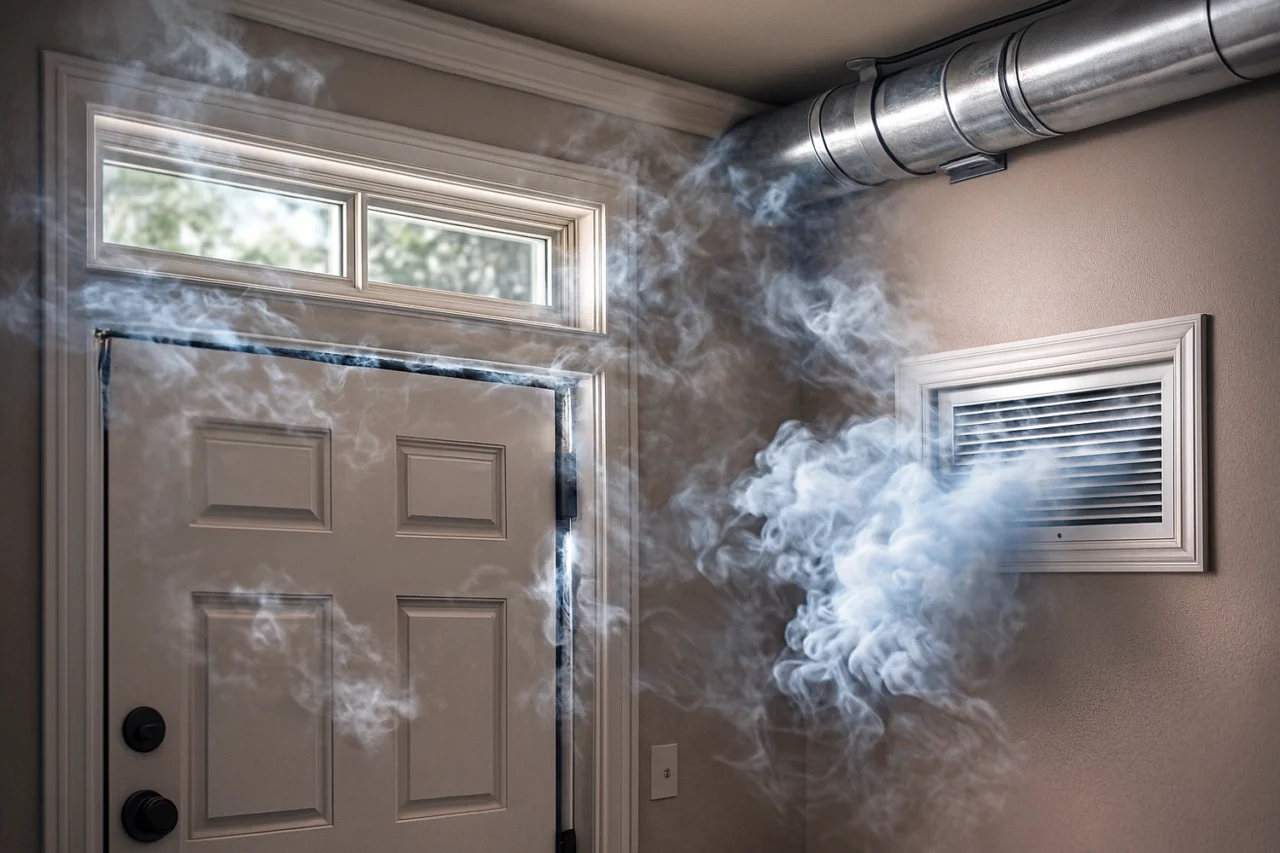
Air leakage is one of the most underestimated problems in residential HVAC systems. It quietly reduces comfort, drives up energy bills, strains equipment, and makes your AC work harder than it should. Yet most homeowners have no idea their conditioned air is slipping through cracks, gaps, vents, and ducts that are not sealed or maintained properly. This guide breaks down how air leakage happens, how to identify it, how it affects your HVAC performance, and most importantly — what steps you can take to stop it and make your home cooler, cleaner, and more energy-efficient.
Leakage costs more in Florida than the national figures suggest, because the air being lost was expensive to condition and the space it leaks into is brutal. An unconditioned attic here holds heat and moisture that a leaking return brings straight back inside, so the same hole costs twice: once in capacity and once in humidity.
If at any point you want professional help diagnosing air leakage or improving your HVAC system, the certified team at A Customer First AC is always ready to assist. You can schedule expert service anytime on our AC Service page.
Or return to our homepage for full HVAC support.
How Air Leakage Impacts Your Home More Than You Realize
Most people only think of insulation, AC size, or thermostat settings when dealing with comfort issues. Rarely does someone consider that they might be losing conditioned air through walls, ceilings, doors, duct joints, attic gaps, or poorly sealed vents. But air leakage is often the root cause behind uneven temperatures, skyrocketing utility bills, weak airflow, and poor indoor air quality.
Air leakage happens when cooled or heated air escapes through unintended openings and outdoor air enters the home. Even a tiny 1/8-inch gap around a door or vent can waste enough energy to noticeably affect comfort and increase monthly costs.
A home experiencing air leakage may show signs such as:
-
Rooms that never stay cool
-
Weak airflow despite a powerful AC
-
High humidity levels
-
Dust buildup near vents
-
Longer run times on your air conditioner
-
Hot or cold spots throughout the house
-
AC cycling more than usual
In many cases, homeowners try adjusting the thermostat or even replacing the AC unit, not realizing the problem might simply be air escaping through places they don’t see. Air leakage doesn’t just waste money — it pushes your HVAC system to overwork, shortening its lifespan and increasing repair needs.
The Main Places Where Air Leakage Occurs
To fix the problem, you first need to understand where air leakage typically happens. Below are the most common areas where conditioned air escapes unnoticed:
Air Leakage Around Doors and Windows
Old seals, worn-out weather stripping, and improperly installed frames cause significant air loss. Even brand-new windows can leak if they were not installed with proper sealing.
Small gaps let outside air rush in, forcing your AC to work harder to maintain a stable temperature.
Air Leakage in Attics and Ceilings
Attics are one of the biggest sources of energy loss. Cracks around attic doors, recessed lighting, wiring holes, and ductwork connections can lead to massive leakage.
Hot attic air entering your home compromises comfort and increases cooling demand.
Air Leakage Through Ductwork
Duct leaks are the most common and most damaging type of air leakage. Up to 30% of conditioned air can escape before it even reaches your rooms.
Loose fittings, damaged insulation, and aging duct systems are often the cause.
Air Leakage from Vents and Return Air Grilles
Poor sealing around vent grilles allows conditioned air to escape into wall cavities instead of the living space.
Blocked or dirty return vents also disrupt airflow, making leakage worse.
Air Leakage Around Plumbing and Electrical Openings
Holes cut for pipes or wiring often leave gaps that let outside air flow in freely.
These gaps may seem small but collectively create measurable energy loss.
Why Fixing Air Leakage Makes Your HVAC Work Better
Repairing air leakage has an immediate and noticeable effect on comfort and energy efficiency. Once the pathways for escaping air are closed, your cooling system no longer has to overwork to compensate.
Here’s what improving air leakage can do for your home:
-
Strengthen overall airflow
-
Reduce utility bills
-
Improve indoor air quality
-
Stabilize temperature throughout the home
-
Reduce humidity and mold risks
-
Lower wear on HVAC components
-
Increase AC system lifespan
-
Improve comfort in every room
When conditioned air stays where it’s supposed to be, your home feels cooler faster and stays comfortable longer.
To go further, HVAC professionals can also implement airflow balancing and system optimization to ensure your equipment operates at maximum efficiency.
How to Identify Air Leakage Before It Gets Worse
You can catch air leakage early by paying attention to certain signs:
-
Weak airflow from vents
-
Dust streaks near vent covers
-
Slight whistling or vibration noises
-
Temperature differences between rooms
-
Air drafts around windows or doors
-
Higher-than-average electric bills
-
AC running constantly during mild days
A simple DIY test involves walking around your home on a windy day and feeling for drafts or temperature differences with your hand. But a more reliable option is a professional blower-door test or duct leakage test, which can pinpoint exact problem areas.
If you suspect air leakage but aren’t sure where it’s coming from, contacting a trusted HVAC specialist is the fastest way to diagnose and fix the issue.
Effective Solutions to Reduce Air Leakage
The best approach to fixing air leakage depends on where it originates. Here are proven solutions professionals often recommend:
Seal Doors and Windows
Weatherstripping, caulking, and foam insulation can close gaps effectively. This is one of the quickest and most affordable fixes.
Air Seal the Attic and Install Better Insulation
Professionals can seal gaps around pipes, vents, and openings. Adding insulation ensures heat and air remain contained.
Repair, Reseal, or Replace Leaking Ducts
Damaged or misaligned ductwork should be sealed with high-grade mastic, not regular tape. Severely aged ducts may benefit from full replacement.
Seal and Refit Vent Covers
Ventilation grilles should fit tightly against walls and ceilings. Any loose connections should be resealed.
Seal Openings Around Pipes and Wiring
Fire-rated foam or caulk helps close gaps and prevent infiltration.
Schedule Professional HVAC Diagnostics
If DIY steps aren’t enough, a technician can perform airflow mapping, duct reconfiguration, or system optimization tailored specifically to your home.
For complete system balancing or repairs, you can always visit the AC Service page for expert help.
FAQ: Air Leakage Questions Answered
What causes air leakage in a home?
Air leakage is typically caused by gaps around doors and windows, cracks in attics, leaking ducts, loose vent connections, and unsealed openings for pipes or wiring. Over time, aging materials and damaged insulation make leakage worse.
How does air leakage affect my AC system?
Air leakage forces your AC to run longer because the cooled air escapes before reaching your rooms. This increases energy bills, strains the system, and reduces overall comfort levels.
Can air leakage make some rooms hotter or colder than others?
Yes. Leakage disrupts airflow balance and causes temperature inconsistencies. Rooms farthest from the AC or duct leaks often become uncomfortable and difficult to cool.
Should I fix air leakage myself or call a professional?
Minor leaks around doors or windows can be sealed DIY. But duct leakage, attic infiltration, and airflow issues require professional diagnostics to ensure proper sealing and long-term results.
How often should I check my home for air leakage?
Check visible areas every few months and schedule a full HVAC inspection once a year. This helps identify leaks early and keeps your system operating efficiently.
FAQ
Where do Florida homes leak the most?
Overhead, not at the windows. Attic penetrations, recessed light housings, the chase around the air handler and the top plates of interior walls account for most of it, and they let humid attic air into a house that has been paying to dry itself.
Is sealing worth it if the air conditioning already works?
Yes, because the work the system does is the point. Every cubic foot of attic air that gets in has to be cooled and dried again, and sealing lowers that load whether the equipment is new or old.
Can a house be sealed too tightly?
In this climate the practical risk is small for existing homes, though very tight construction wants mechanical fresh air. Almost every house in this region is nowhere near that line.